
 CA
 NZ
 US
 AU
 IND

 UK

 Share
 X (Formerly Twitter)
 Whatsapp
 Facebook
 LinkedIn
 Telegram
 Email This Article
 Copy Link
 Summarize with AI
 Chat GPT
 Perplexity
Aquila European Renewables PLC: Key Drivers, Growth Catalysts, Risks, Valuation and Technical Outlook
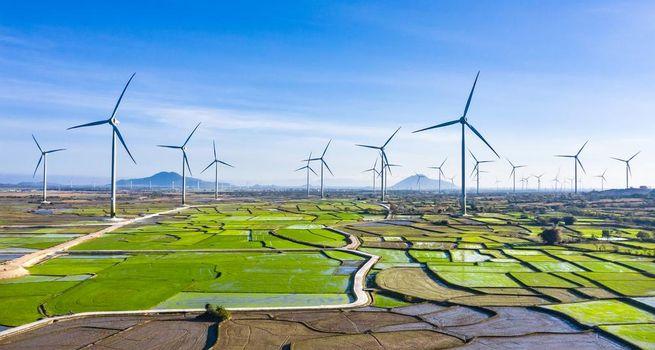
Aquila European Renewables PLC is a renewable energy infrastructure Investment company focused on operating renewable energy Assets across Europe and the Republic of Ireland. The portfolio has historically included wind, solar photovoltaic and Hydropower assets diversified across multiple countries and power markets. The company's investment strategy has evolved following Shareholder approval of a managed wind-down process, under which existing assets are being realised in an orderly manner to maximise value and facilitate Capital returns to shareholders.
Business Overview
The company owns a diversified portfolio of renewable energy assets spanning multiple technologies and jurisdictions. Historically, the portfolio has included investments in wind farms, solar photovoltaic projects and hydropower facilities, providing exposure to different regulatory frameworks and electricity markets. The diversified asset base was designed to reduce dependence on any single market or technology while benefiting from Europe's long-term renewable energy transition.
Today, management's primary focus is on achieving an orderly realisation of portfolio assets rather than pursuing new investments. The proceeds generated from disposals are expected to be used for Debt reduction and capital returns, with the objective of balancing timely distributions and value maximisation.
Key Reasons Driving Interest in Aquila European Renewables
Diversified Renewable Asset Portfolio
The company's portfolio has historically been diversified across wind, solar and hydropower assets located in multiple European countries. This Diversification can help mitigate technology-specific and geographic risks while providing exposure to different electricity markets.
Exposure to Long-Term Energy Transition Trends
European governments continue to support decarbonisation initiatives and renewable energy deployment. Although the company is no longer pursuing new investments, its existing renewable energy assets remain linked to long-term structural Demand for clean power generation.
Potential Value Realisation Through Asset Sales
A major investment consideration is the ongoing disposal programme. Successful asset sales at attractive valuations could support capital returns and demonstrate the underlying value of the portfolio. Management has engaged advisers to oversee the monetisation process and optimise disposal outcomes.
Revenue Contracting Characteristics
Many renewable infrastructure assets benefit from long-term power purchase agreements, subsidies or contracted revenue frameworks that can provide visibility into cash flows. Such characteristics may support asset valuations during disposal negotiations.
Key Growth Catalysts
Completion of Strategic Asset Disposals
The most important near-term catalyst is the successful execution of asset sales. Transactions completed at favourable valuations could strengthen investor confidence in the underlying portfolio and facilitate further capital distributions.
Continued Renewable Energy Demand
Europe's long-term commitment to reducing carbon emissions continues to support demand for renewable power generation assets. This structural trend may help maintain interest from infrastructure investors and strategic buyers seeking renewable energy exposure.
Portfolio Optimisation Initiatives
Targeted Capital Expenditure designed to enhance asset performance and improve saleability may contribute to better disposal outcomes. Management retains flexibility to undertake expenditure where it protects or enhances asset value.
Institutional Investor Interest
Renewable infrastructure remains an important Asset Class for pension funds, infrastructure funds and institutional investors seeking long-duration assets with sustainability characteristics. Continued demand from such buyers could support transaction activity.
Key Risks
Electricity Price Volatility
Renewable asset valuations remain sensitive to electricity market conditions. Lower power prices can reduce expected future cash flows and place pressure on asset values. Recent industry-wide weakness has highlighted this risk.
Asset Disposal Execution Risk
The success of the wind-down strategy depends heavily on management's ability to dispose of assets at acceptable valuations. Delays or weaker-than-expected transaction pricing could affect shareholder outcomes.
Regulatory and Policy Risk
Renewable energy projects operate within evolving regulatory environments. Changes to Subsidy mechanisms, taxation frameworks or energy policies may affect asset performance and valuation.
Interest Rate Environment
Infrastructure assets are often influenced by broader capital market conditions. Elevated financing costs and higher discount rates can weigh on renewable asset valuations and investor appetite.
Valuation Perspective
Aquila European Renewables should primarily be evaluated based on the value of its underlying renewable energy portfolio and the effectiveness of the asset realisation programme. Investors may focus on the difference between realised asset values and portfolio carrying values, the pace of capital returns and management's ability to maximise proceeds from disposals. The company's diversified portfolio across multiple technologies and markets may provide flexibility in achieving favourable transaction outcomes.
Technical Levels to Watch
From a technical perspective, investors often monitor:
Immediate Support: Recent consolidation zones and historical asset-sale announcement levels.
Secondary Support: Longer-term trading ranges established during periods of market uncertainty.
Immediate Resistance: Previous recovery highs formed following disposal updates or strategic announcements.
Major Resistance: Historical distribution zones where selling pressure has previously emerged.
Technical levels may continue to be influenced by portfolio disposal announcements, capital return updates and broader renewable infrastructure sector sentiment.
Conclusion
Aquila European Renewables PLC represents a unique renewable infrastructure investment story centred on portfolio monetisation rather than expansion. The company's diversified renewable asset base, exposure to Europe's clean energy transition and ongoing disposal programme remain important drivers of investor interest. While asset sale execution, electricity price movements and regulatory developments present notable risks, successful realisation of portfolio value could remain a key catalyst for shareholder outcomes over the coming periods.


 Nov 27, 2026





 Please wait processing your request...