
 AU
AU
 CA
CA
 US
US
 NZ
NZ
 IND
IND

 UK
UK

 Share
Share
 X (Formerly Twitter)
 Whatsapp
 Facebook
 LinkedIn
 Telegram
 Email This Article
 Copy Link
 Summarize with AI
 Chat GPT
 Perplexity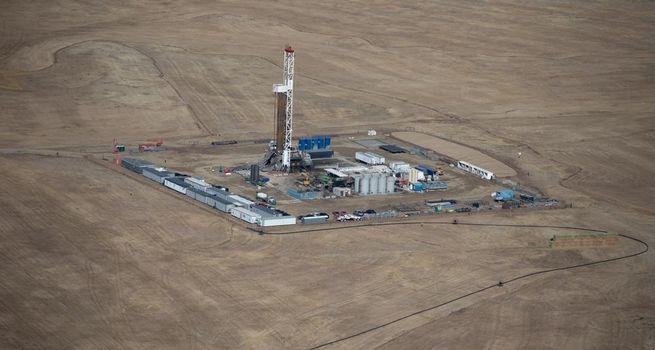
What Are the Key Takeaways From Nostrum Oil & Gas' 14.29% Decline?
- LSE:NOG fell 14.29% on 23 June 2026.
- Investor sentiment remains cautious toward smaller energy producers despite supportive commodity fundamentals.
- Kazakhstan energy developments remain central to the investment story.
- Global energy security concerns continue supporting long-term natural gas demand.
- Oil and gas sector volatility increased amid ongoing Middle East geopolitical tensions.
- Investors remain focused on production growth, processing capacity utilization, and future cash flow generation.
Why Did LSE:NOG - Nostrum Oil & Gas PLC Fall 14.29% on 23 June 2026?
The decline appears largely linked to broader risk-off sentiment affecting smaller energy companies and profit-taking following volatility across global commodity markets.
Although oil and gas prices remain supported by geopolitical uncertainty, investors continue distinguishing between large integrated producers and smaller companies where operational execution, production volumes, and balance-sheet developments play a larger role in valuation.
Nostrum remains highly sensitive to investor expectations regarding production growth, third-party processing agreements, operating performance, and future cash flow visibility.
The market appears to be reassessing near-term growth expectations while awaiting additional operational catalysts.
Why Does Nostrum Oil & Gas Continue to Attract Investor Attention?
Nostrum operates as an independent oil and gas company focused primarily on Kazakhstan.
The company owns significant gas-processing infrastructure and has increasingly emphasized maximizing utilization of existing facilities.
Its business model revolves around:
- Natural gas production.
- Condensate production.
- Processing infrastructure.
- Third-party hydrocarbon processing.
- Operational efficiency improvements.
- Long-term cash flow generation.
Unlike many exploration-focused companies, Nostrum already possesses substantial processing assets, which remain strategically important within the regional energy sector.
How Is the Iran-Israel Conflict Affecting Energy Stocks Today?
The ongoing Iran-Israel conflict remains one of the most important drivers of global energy-market sentiment.
Investors continue monitoring:
- Crude oil supply risks.
- Natural gas market stability.
- LNG trade flows.
- Shipping routes.
- Inflation implications.
- Global energy security concerns.
Higher geopolitical tensions often support commodity prices because markets price in potential supply disruptions.
However, broader market volatility can simultaneously pressure smaller energy stocks as investors reduce exposure to higher-risk assets.
This dynamic helps explain why energy fundamentals may remain supportive while individual energy shares still experience declines.
How Important Is Natural Gas in the Current Global Market Environment?
Natural gas remains a critical component of the global energy system.
Several structural drivers continue supporting demand:
- Energy security priorities.
- Industrial demand growth.
- Power generation requirements.
- Coal replacement initiatives.
- Growing Asian energy consumption.
- Grid reliability needs.
Many governments continue viewing natural gas as an important transition fuel supporting economic growth while renewable-energy infrastructure expands.
This backdrop provides long-term support for gas-focused businesses.
What Latest Corporate Developments Are Investors Monitoring?
Investors continue focusing on:
- Production performance.
- Processing volumes.
- Third-party agreements.
- Infrastructure utilization.
- Balance-sheet developments.
- Operating efficiency initiatives.
- Potential growth projects.
Future operational updates remain crucial because they directly influence earnings expectations and cash-flow forecasts.
The market is particularly interested in how effectively the company can leverage its existing processing infrastructure.
What Is Nostrum's Current Business Strategy?
Management's strategy increasingly focuses on maximizing value from existing assets.
Key priorities include:
- Increasing processing utilization.
- Expanding third-party processing activity.
- Improving operational efficiency.
- Enhancing cash generation.
- Strengthening financial flexibility.
This approach seeks to generate value without relying solely on major exploration success.
Investors generally view infrastructure utilization as a lower-risk growth strategy compared with pure exploration models.
What Is the Dividend Outlook for LSE:NOG?
Dividend expectations remain secondary to operational execution and balance-sheet priorities.
Investors are primarily focused on:
- Cash flow generation.
- Debt management.
- Capital allocation.
- Growth opportunities.
Future shareholder returns will likely depend on sustained operational improvements and stronger financial performance.
What Does Technical Analysis Suggest After the 14.29% Fall?
Technical indicators weakened significantly following today's decline.
Current observations include:
- Bearish short-term momentum.
- Elevated volatility.
- Breakdown of support zones.
- Reduced investor confidence.
Energy stocks can experience rapid sentiment shifts due to commodity-price movements, making technical developments particularly important.
The next stage will depend on whether buyers return following the sell-off.
What Does Valuation Analysis Suggest?
Valuation remains closely linked to:
- Commodity-price assumptions.
- Production forecasts.
- Processing volumes.
- Infrastructure utilization.
- Future cash flow generation.
Following today's decline, investors may increasingly evaluate whether the market is adequately reflecting the value of the company's infrastructure assets.
However, sustained operational execution remains essential.
How Does Nostrum Compare With Other AIM Energy Stocks?
Compared with many AIM-listed exploration companies, Nostrum benefits from:
- Existing infrastructure.
- Operating assets.
- Processing capabilities.
- Established production history.
However, investors must also consider:
- Commodity-price exposure.
- Regional risks.
- Operational challenges.
- Market volatility.
This combination creates a balanced but still cyclical investment profile.
What Is the Bull Case and Bear Case for LSE:NOG?
Bull Case
The bullish scenario assumes stronger gas demand, improved processing utilization, higher production volumes, stable commodity prices, and enhanced cash generation. Under this scenario, investors could re-rate the stock significantly higher.
Bear Case
The bearish scenario assumes weaker energy prices, operational challenges, slower processing growth, and reduced investor appetite for smaller energy companies. Such outcomes could continue weighing on valuation.
What Corporate and Macro Events Should Investors Watch Next?
Investors should monitor:
- Production updates.
- Processing agreements.
- Commodity-price trends.
- Kazakhstan energy developments.
- Natural gas market conditions.
- OPEC-related developments.
- Middle East geopolitical developments.
- Global economic growth indicators.
Is LSE:NOG Looking Bullish, Bearish, or Neutral?
Short-term sentiment remains bearish following the 14.29% decline.
Medium-term sentiment remains neutral because future performance depends on operational delivery and commodity markets.
Long-term sentiment remains cautiously constructive if global natural gas demand continues strengthening and management successfully executes its infrastructure-led strategy.
How Does ESG Influence the Nostrum Investment Story?
Key ESG considerations include:
- Emissions management.
- Energy efficiency improvements.
- Responsible resource development.
- Environmental stewardship.
- Governance standards.
As energy companies increasingly focus on sustainability, ESG performance could become a larger component of investor evaluation.
What Is the Final Investment Conclusion on LSE:NOG?
Nostrum Oil & Gas remains a closely watched small-cap energy stock operating within an increasingly important global energy environment.
The 14.29% decline on 23 June 2026 reflects investor caution rather than a collapse in the broader natural gas investment case. Energy security concerns, growing gas demand, and infrastructure utilization opportunities continue supporting the long-term strategic rationale.
The next phase of the investment story will depend on operational execution, processing growth, commodity prices, and management's ability to convert infrastructure advantages into sustainable shareholder value.

 Jun 26, 2026



 Please wait processing your request...