
 AU
AU
 CA
CA
 US
US
 NZ
NZ
 IND
IND

 UK
UK

 Share
Share
 X (Formerly Twitter)
 Whatsapp
 Facebook
 LinkedIn
 Telegram
 Email This Article
 Copy Link
 Summarize with AI
 Chat GPT
 Perplexity
SSE PLC: Key Growth Catalysts, Risks, Valuation Drivers and Technical Outlook
SSE PLC is one of the United Kingdom's leading energy infrastructure and Utility companies, with operations spanning electricity networks, renewable energy generation, thermal generation, and energy services. The company plays a significant role in supporting the UK's energy security and decarbonization objectives through substantial investments in renewable energy Assets and electricity transmission infrastructure.
As governments and industries accelerate efforts to achieve net-zero emissions targets, Demand for renewable electricity generation and grid modernization continues to rise. SSE's diversified portfolio and long-term Investment strategy position the company to participate in these structural growth trends while maintaining exposure to regulated utility operations.
Key Reasons Supporting the Investment Case
Significant Renewable Energy Portfolio
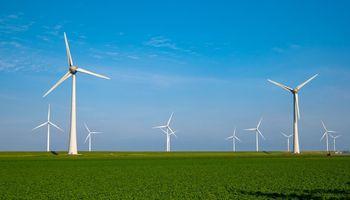
SSE has developed one of the largest renewable energy portfolios in the UK and Ireland, with substantial exposure to onshore wind, offshore wind, and hydroelectric power generation. The company's renewable assets provide access to growing demand for clean electricity as countries continue transitioning away from fossil fuels.
Regulated Network Operations
A major portion of SSE's Business is derived from electricity transmission and distribution networks. Regulated utility assets typically provide relatively stable and predictable Earnings, supported by long-term regulatory frameworks that allow investment recovery while maintaining infrastructure reliability.
Strong Exposure to Energy Transition Trends
The global shift toward electrification is increasing demand for power generation, electricity transmission, and grid infrastructure. SSE's focus on renewable generation and network expansion aligns closely with long-term energy transition objectives, creating opportunities for sustained Capital deployment and asset growth.
Strategic Infrastructure Position
The company owns critical infrastructure that supports electricity transportation across key regions of the United Kingdom. As renewable generation capacity expands, the need for upgraded transmission infrastructure may continue to support investment opportunities within SSE's network businesses.
Key Growth Catalysts
Expansion of Offshore Wind Capacity
Offshore wind remains one of the most important growth areas within the renewable energy sector. SSE continues to participate in major offshore wind projects that could contribute significantly to future generation capacity and earnings growth. Increasing government support for offshore wind development may further enhance long-term opportunities.
Electricity Network Investment Programs
The transition toward renewable energy requires substantial upgrades to transmission and distribution infrastructure. Grid modernization, renewable integration projects, and increased electricity demand from electric vehicles and industrial electrification may support ongoing investment opportunities for SSE.
Growing Electricity Demand
As economies become increasingly electrified, power consumption is expected to rise across transportation, Manufacturing, data centers, and residential sectors. This trend may create long-term demand for additional generation capacity and transmission infrastructure, benefiting utility operators such as SSE.
Energy Storage and Grid Flexibility Solutions
The growing penetration of renewable energy sources creates demand for energy storage technologies and grid balancing solutions. SSE continues to explore opportunities in battery storage and flexible energy infrastructure to support system reliability and renewable integration.
Decarbonization Policies and Government Support
Government commitments to net-zero emissions targets continue to drive investment in renewable energy and electricity infrastructure. Supportive policy frameworks may create favorable conditions for companies involved in clean energy generation and transmission network expansion.
Key Risks
Utility companies operate within highly regulated environments. Changes in regulatory frameworks, allowed returns, pricing structures, or environmental policies could influence future profitability and investment returns.
Project Development Risk
Large-scale infrastructure and renewable energy projects often involve significant capital commitments. Construction delays, permitting challenges, cost overruns, or Supply chain disruptions could affect project Economics and timelines.
Interest Rate Sensitivity
Utility and infrastructure businesses typically require substantial Capital Investment. Higher financing costs may affect project returns and increase the cost of funding future growth initiatives.
Weather Dependency
Renewable energy generation, particularly wind and hydroelectric power, can be influenced by weather conditions. Variations in wind speeds, rainfall patterns, or other environmental factors may impact generation output.
Political and Policy Changes
Government energy policies, Subsidy mechanisms, planning regulations, and environmental requirements can influence investment decisions and future growth opportunities within the utility sector.
Valuation Drivers
Several factors could influence SSE's future valuation:
- Expansion of renewable energy generation capacity.
- Growth in electricity transmission and distribution assets.
- Regulatory decisions affecting network returns.
- Progress of offshore wind development projects.
- Rising electricity demand linked to electrification.
- Energy storage and grid flexibility investments.
- Operational efficiency improvements.
- Successful execution of capital investment programs.
- Long-term decarbonization and clean energy policies.
Investors often evaluate utility companies based on asset quality, regulatory visibility, earnings stability, renewable energy exposure, infrastructure growth opportunities, and the ability to generate sustainable cash flows over extended periods.
Technical Levels to Watch
From a Technical Analysis perspective, investors commonly monitor key chart zones that may influence market sentiment:
- Immediate Support: Recent consolidation areas where buying interest has previously emerged.
- Secondary Support: Long-term trend support levels that may help define broader market direction.
- Immediate Resistance: Prior swing highs that could act as short-term barriers.
- Major Resistance: Historical breakout zones that may determine longer-term momentum.
A sustained move above significant resistance levels may indicate strengthening investor confidence, while a decline below established support zones could suggest increased caution among Market Participants.
Outlook
SSE remains strategically positioned to benefit from long-term energy transition trends through its combination of renewable energy generation, electricity transmission infrastructure, and regulated utility operations. The company's substantial investment pipeline, exposure to offshore wind development, and participation in grid modernization initiatives provide multiple growth opportunities. While regulatory changes, project execution risks, and financing considerations remain important factors to monitor, SSE's role in supporting energy security and decarbonization objectives may continue to underpin its Long-term Growth prospects.

 Jun 26, 2026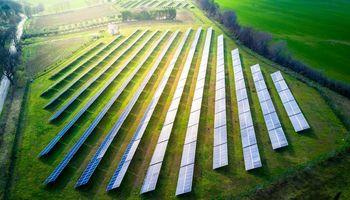

 Please wait processing your request...