
 AU
AU
 CA
CA
 US
US
 NZ
NZ
 IND
IND

 UK
UK

 Share
Share
 X (Formerly Twitter)
 Whatsapp
 Facebook
 LinkedIn
 Telegram
 Email This Article
 Copy Link
 Summarize with AI
 Chat GPT
 Perplexity
BP PLC: Key Drivers, Growth Catalysts, Risks, Valuation and Technical Outlook
BP PLC is one of the world's largest integrated energy companies, operating across Upstream exploration and production, refining, Marketing, trading, and low-carbon energy businesses. The company maintains a diversified portfolio of oil, Natural Gas, renewable energy, bioenergy, electric vehicle charging, and hydrogen projects. As the global energy landscape evolves, BP continues to balance conventional hydrocarbon operations with investments aimed at supporting long-term energy transition opportunities.
Key Reasons Supporting BP's Business Outlook
Diversified Integrated Energy Portfolio
BP benefits from an integrated operating model that spans the entire energy value chain. Its upstream Assets provide exposure to oil and natural gas production, while Downstream operations include refining, trading, and retail fuel distribution. This Diversification helps reduce Earnings Volatility and allows BP to capture value across different market environments.
Global Asset Base
The company operates across multiple geographic regions, including North America, Europe, the Middle East, Africa, and Asia-Pacific. Such geographic diversification reduces dependence on any single market and provides access to a broad range of energy resources and customer bases.
Strong Trading and Marketing Capabilities
BP has established trading operations that allow it to optimize Commodity flows, manage market risks, and Capitalize on regional price differentials. Its integrated Supply and trading platform remains an important contributor to overall profitability.
Capital Discipline and Shareholder Returns
Management has increasingly focused on capital allocation efficiency, prioritizing projects with attractive returns while maintaining financial flexibility. Disciplined spending and portfolio optimization initiatives support the company's ability to generate cash flows across commodity cycles.
Key Growth Catalysts
Expansion of Upstream Projects
New production developments and field expansions remain important contributors to BP's future growth. The company continues to pursue projects designed to enhance production efficiency, improve recovery rates, and strengthen long-term resource replacement.
Growth in Natural Gas Demand
Natural gas is expected to play a significant role in global energy systems during the transition toward lower-carbon energy sources. BP's extensive gas portfolio may benefit from increasing demand for cleaner-burning fuels in power generation and industrial applications.
Renewable Energy Investments
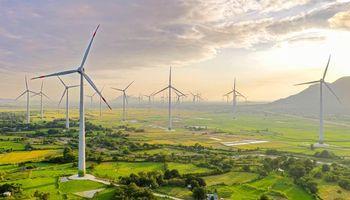
BP has expanded investments in renewable power generation, including solar and wind projects. The company's strategy aims to create a diversified energy portfolio that combines traditional energy assets with low-carbon growth opportunities.
Electric Vehicle Charging Infrastructure
The increasing adoption of electric vehicles is creating opportunities in charging infrastructure. BP continues to expand its electric vehicle charging network, positioning itself to participate in changing transportation trends.
Hydrogen and Bioenergy Development
Hydrogen and bioenergy are emerging areas that may contribute to future growth. BP has announced multiple initiatives focused on developing low-carbon fuels and supporting industrial decarbonization efforts.
Key Risks and Challenges
Commodity Price Volatility
BP's financial performance remains sensitive to fluctuations in oil and natural gas prices. Extended periods of weak commodity prices could affect profitability, Cash Flow generation, and Investment capacity.
Regulatory and Environmental Pressures
Governments worldwide continue to implement stricter environmental regulations and emissions reduction targets. Compliance requirements may increase operational costs and influence future project Economics.
Energy Transition Uncertainty
While renewable investments create opportunities, the pace and economics of the energy transition remain uncertain. Large-scale investments in emerging technologies may face execution risks and uncertain returns.
Geopolitical Risks
As a global energy producer, BP operates in regions that may experience political instability, sanctions, or regulatory changes. Such developments can affect production, supply chains, and project execution.
Operational and Project Execution Risks
Large energy projects require substantial Capital Investment and involve technical complexity. Delays, cost overruns, or operational disruptions could negatively impact expected returns.
Valuation Perspective
BP's valuation is influenced by several factors, including commodity price expectations, production growth, refining margins, Capital Expenditure requirements, and progress in low-carbon businesses.
Investors often assess BP using a combination of earnings-based metrics, cash flow generation, Enterprise value measures, and asset quality considerations. The company's integrated business model, global asset portfolio, and transition strategy contribute to its valuation framework.
Additionally, Market Participants monitor BP's ability to balance shareholder distributions with investments in future growth opportunities. Continued execution of strategic priorities and capital discipline may support valuation over the longer term.
Technical Levels to Watch
From a technical perspective, investors typically monitor several important areas:
Key Support Zone
- Previous consolidation regions where buying interest historically emerged.
- Long-term Moving Average areas that may act as support during market weakness.
Intermediate Support
- Short-to-medium-term trend support levels.
- Areas associated with recent accumulation activity.
Key Resistance Zone
- Prior swing highs where selling pressure previously appeared.
- Breakout regions that may indicate renewed upward momentum if surpassed.
Momentum Indicators
- Relative Strength index (RSI) trends.
- Moving Average Convergence Divergence (MACD) signals.
- Volume confirmation during major price movements.
Technical Analysis should be combined with fundamental developments, commodity market trends, and company-specific catalysts for a comprehensive investment assessment.
Conclusion
BP PLC remains a significant participant in the global energy sector, supported by its integrated operations, diversified asset base, trading capabilities, and ongoing investment initiatives. The company's growth outlook is influenced by upstream developments, natural gas demand, renewable energy expansion, electric vehicle charging infrastructure, and emerging low-carbon technologies.
At the same time, investors should consider risks related to commodity price fluctuations, regulatory developments, project execution, geopolitical factors, and uncertainties surrounding the pace of the global energy transition. BP's long-term performance will likely depend on its ability to balance traditional energy operations with evolving low-carbon opportunities while maintaining disciplined capital allocation.

 Jun 04, 2026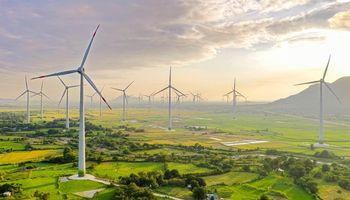
_06_04_2026_12_58_49_246148.jpg)



 Please wait processing your request...