
 AU
AU
 CA
CA
 US
US
 NZ
NZ
 IND
IND

 UK
UK

 Share
Share
 X (Formerly Twitter)
 Whatsapp
 Facebook
 LinkedIn
 Telegram
 Email This Article
 Copy Link
 Summarize with AI
 Chat GPT
 Perplexity
BP p.l.c. Analysis: Growth Drivers, Key Catalysts, Risks, Valuation and Technical Outlook
Discover BP p.l.c.’s key growth drivers, business catalysts, valuation outlook, investment risks, technical analysis, and to understand its long-term investment potential.
BP p.l.c. analysis, BP stock outlook, BP growth drivers, BP valuation, BP investment risks, integrated oil and gas stocks, energy sector analysis, BP technical analysis, energy transition investments, BP long-term outlook
BP p.l.c. is one of the world's largest integrated energy companies, operating across the oil and gas value chain, including exploration, production, refining, marketing, trading, and energy solutions. The company has also expanded its investments in renewable energy, electric vehicle charging infrastructure, bioenergy, and low-carbon technologies as part of its broader energy transition strategy.
With a globally diversified asset base, strong operational capabilities, and exposure to both traditional and emerging energy markets, BP remains an important player in the evolving global energy landscape. Investors often view the company as a combination of cash-generating hydrocarbon assets and long-term transition opportunities.
Key Reasons Supporting an Uptick in BP
Integrated Business Model
BP benefits from an integrated operating structure that spans upstream, midstream, and downstream activities. This diversification helps balance earnings across different commodity cycles and market environments.
Strong Global Energy Demand
Despite increasing investments in renewables, global demand for oil and natural gas remains significant. BP's extensive resource base allows it to capitalize on long-term energy consumption trends across developed and emerging markets.
Strategic Portfolio Optimization
The company continues to streamline its portfolio through asset sales, operational efficiencies, and selective investments. This disciplined capital allocation approach can improve profitability and strengthen financial flexibility.
Expanding Natural Gas Exposure
Natural gas is often viewed as a transition fuel in the move toward lower-carbon energy systems. BP has expanded its gas portfolio, positioning itself to benefit from increasing demand for cleaner-burning energy sources.
Trading and Marketing Strength
BP possesses one of the largest energy trading operations globally. Its trading expertise can help capture opportunities arising from commodity price volatility and changing market dynamics.
Key Growth Catalysts
Energy Transition Investments
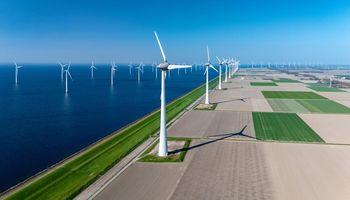
BP is investing in renewable energy projects, including solar, wind, bioenergy, hydrogen, and electric vehicle infrastructure. Successful execution of these initiatives could support long-term revenue diversification.
Growth in Low-Carbon Businesses
The company aims to build a larger presence in low-carbon energy markets. Expansion in clean energy solutions could create new revenue streams while reducing reliance on traditional hydrocarbons.
Development of High-Quality Upstream Assets
New production projects and improved operational efficiency within existing fields can enhance production volumes and cash generation over time.
Increased Demand for Natural Gas
As countries seek lower-emission energy alternatives, natural gas demand may continue to grow. BP's substantial gas assets position the company to benefit from this trend.
Technological Innovation
Advancements in digitalization, automation, carbon capture, and energy efficiency technologies may improve operational performance and support future profitability.
Risks to Consider
Commodity Price Volatility
BP's financial performance remains significantly influenced by fluctuations in oil and natural gas prices. Extended periods of weak commodity prices could affect profitability and cash flow generation.
Regulatory and Environmental Pressures
Governments worldwide continue to introduce stricter environmental regulations and emissions targets. Compliance costs and policy changes could impact future operations.
Energy Transition Execution Risk
While renewable investments provide growth opportunities, execution challenges remain. Delays, cost overruns, or lower-than-expected returns could affect shareholder value.
Geopolitical Uncertainty
BP operates across multiple regions, exposing the company to geopolitical tensions, trade restrictions, sanctions, and regional instability that may disrupt operations.
Capital Intensive Operations
The energy sector requires substantial capital expenditures for exploration, production, refining, and infrastructure projects. Poor project execution may reduce returns on investment.
Valuation Perspective
BP's valuation is typically influenced by commodity market conditions, reserve quality, production growth, refining margins, and cash flow generation. Investors often assess the company using earnings multiples, cash flow metrics, asset valuations, and dividend sustainability measures.
A key consideration for investors is BP's ability to balance traditional hydrocarbon profitability with investments in future energy technologies. Companies that successfully navigate this transition may command stronger long-term valuation multiples.
The market also evaluates management's capital allocation discipline, cost control initiatives, and ability to generate consistent free cash flow across commodity cycles.
Technical Levels to Watch
From a technical analysis perspective, several levels are commonly monitored by investors:
• Immediate support generally forms near recent swing lows.
• Secondary support often aligns with major long-term moving averages.
• Resistance zones are typically identified near previous highs and consolidation areas.
• Sustained moves above resistance levels may indicate stronger bullish momentum.
• A breakdown below major support levels could suggest increased selling pressure.
Technical indicators such as moving averages, Relative Strength Index (RSI), momentum oscillators, and volume trends are often used to evaluate market sentiment and trend strength.
Long-term investors frequently focus on whether the stock maintains a pattern of higher highs and higher lows, which may signal a healthy upward trend.
Conclusion
BP p.l.c. remains one of the most significant integrated energy companies globally, combining traditional oil and gas operations with growing investments in low-carbon energy solutions. Its diversified business model, strong trading capabilities, global asset portfolio, and expanding natural gas presence provide multiple avenues for growth.
While investors must consider risks such as commodity price volatility, regulatory pressures, and execution challenges related to the energy transition, BP's strategic focus on operational efficiency and portfolio diversification supports its long-term investment case. The company's ability to successfully balance conventional energy production with emerging low-carbon opportunities will likely play a crucial role in shaping future shareholder value.


 Jun 25, 2026

-Copy_06_25_2026_15_21_02_592643.jpg)

 Please wait processing your request...