
 AU
AU
 CA
CA
 US
US
 NZ
NZ
 IND
IND

 UK
UK

 Share
Share
 X (Formerly Twitter)
 Whatsapp
 Facebook
 LinkedIn
 Telegram
 Email This Article
 Copy Link
 Summarize with AI
 Chat GPT
 Perplexity
National Grid PLC Overview
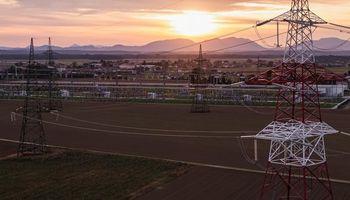
National Grid PLC is one of the world's leading utility infrastructure companies, operating electricity and gas transmission networks across the United Kingdom and the United States. The company plays a crucial role in energy distribution, supporting households, businesses, and industries through essential infrastructure assets.
As governments continue to focus on decarbonization, renewable energy integration, and energy security, National Grid stands at the center of several long-term structural trends. Its regulated asset base and strategic investments provide visibility into future earnings and cash flow generation.
Key Reasons Driving Potential Upside
Essential Infrastructure Position
National Grid owns and operates critical energy infrastructure that remains indispensable to modern economies. Demand for reliable electricity transmission remains strong regardless of economic cycles, creating a resilient business model.
Regulated Revenue Framework
A significant portion of the company's earnings comes from regulated operations. Regulatory frameworks generally allow utilities to earn returns on approved investments, providing revenue stability and reducing earnings volatility.
Energy Transition Opportunities
The shift toward renewable energy sources requires substantial upgrades to transmission networks. National Grid is positioned to benefit from growing investments in grid modernization, renewable integration, and energy storage infrastructure.
Geographic Diversification
Operations across both the UK and US markets provide diversification benefits. Exposure to multiple regulatory environments reduces dependence on any single jurisdiction and supports long-term earnings stability.
Attractive Defensive Characteristics
Utility companies are often viewed as defensive investments because energy demand remains relatively stable during economic downturns. National Grid's business model may appeal to investors seeking predictable cash flows and lower volatility.
Key Growth Catalysts
Expansion of Electricity Networks
Electricity demand is expected to increase over the coming decades due to electrification of transport, industrial processes, and heating systems. National Grid's transmission infrastructure is likely to play a central role in supporting this transition.
Renewable Energy Integration
The increasing deployment of wind and solar projects requires substantial grid connectivity investments. National Grid can benefit from infrastructure spending associated with connecting renewable generation assets to the power network.
Grid Modernization Programs
Many existing energy networks require upgrades to improve efficiency, reliability, and resilience. Investments in smart grids, digital monitoring systems, and advanced transmission technologies may support long-term growth.
Increased Capital Investment
The company continues to pursue large-scale capital expenditure programs aimed at expanding its regulated asset base. Growth in regulated assets can translate into higher future earnings under approved regulatory frameworks.
Energy Security Initiatives
Governments are placing greater emphasis on energy independence and supply security. Infrastructure investments designed to strengthen national energy systems could create additional opportunities for National Grid.
Key Risks Investors Should Monitor
Regulatory Risk
As a regulated utility, National Grid's profitability is influenced by regulatory decisions. Unfavorable changes in allowed returns or regulatory policies could affect future earnings.
Interest Rate Sensitivity
Utility companies often rely on significant capital investment and financing. Higher interest rates can increase borrowing costs and impact project economics.
Execution Risk
Large infrastructure projects involve complex planning, construction, and operational requirements. Delays, cost overruns, or implementation challenges may affect financial performance.
Political and Policy Changes
Energy policies can evolve over time. Changes in government priorities, environmental regulations, or infrastructure policies could influence future investment returns.
Inflationary Pressures
Rising labor, equipment, and construction costs may affect project profitability and capital spending efficiency if cost recovery mechanisms are limited.
Valuation Outlook
National Grid is often valued as a stable infrastructure and utility business rather than a high-growth company. Investors typically focus on factors such as regulated asset growth, earnings visibility, cash generation, and dividend sustainability.
The company's valuation appeal generally stems from its combination of predictable revenues, essential infrastructure ownership, and long-term exposure to energy transition themes. If management successfully executes investment programs while maintaining regulatory support, the company may continue to strengthen its long-term investment case.
Technical Levels to Watch
From a technical perspective, investors generally monitor the following areas:
- Immediate Support: Previous swing lows and long-term moving average zones.
- Secondary Support: Major historical demand regions where buying interest has emerged in the past.
- Near-Term Resistance: Recent trading highs and consolidation breakout levels.
- Major Resistance: Multi-month or long-term highs that could act as barriers during upward trends.
A sustained move above resistance zones may indicate improving momentum, while a break below key support levels could signal increased selling pressure. Investors should combine technical analysis with fundamental assessment for a more balanced view.
Investment Perspective
National Grid remains closely aligned with some of the most significant long-term trends in the global energy market, including electrification, renewable energy adoption, grid modernization, and energy security. Its regulated business model provides stability, while ongoing infrastructure investment creates opportunities for future growth.
Although regulatory and financing risks should be monitored carefully, the company's strategic role within the energy ecosystem positions it as a potentially attractive option for investors seeking defensive exposure combined with long-term infrastructure growth.


 Jun 12, 2026
_06_12_2026_17_13_58_178639.jpg)
 Please wait processing your request...