
 CA
 NZ
 US
 AU
 IND

 UK

 Share
 X (Formerly Twitter)
 Whatsapp
 Facebook
 LinkedIn
 Telegram
 Email This Article
 Copy Link
 Summarize with AI
 Chat GPT
 Perplexity
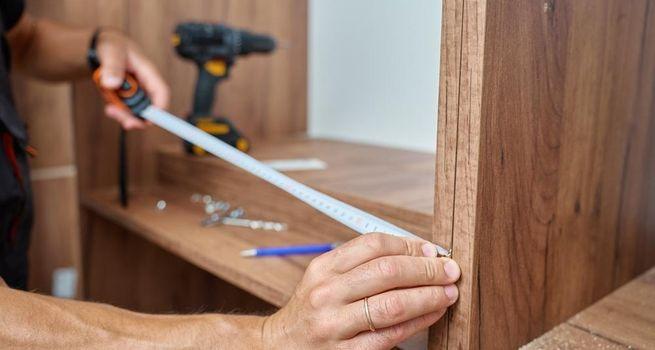
Kingfisher plc Stock Analysis: European DIY Leader Positioned for Home Improvement Demand
Introduction
Kingfisher plc is one of Europe’s largest home improvement retailers, operating well-known retail brands such as B&Q and Screwfix. The company serves millions of professional contractors and DIY consumers across the United Kingdom, Ireland, France, and other European markets.
Growing consumer interest in home renovation, sustainability upgrades, and outdoor living projects has supported demand for home improvement products. These structural trends continue to create opportunities for large retailers with strong supply chains and omnichannel retail capabilities.
Kingfisher’s strategic positioning in the DIY sector, combined with its digital transformation initiatives and private-label product expansion, has strengthened investor interest in the company’s long-term growth outlook.
About Kingfisher plc
Kingfisher operates a diversified portfolio of home improvement retail brands offering a wide range of products including building materials, power tools, plumbing equipment, electrical supplies, furniture, and garden products.
The company operates approximately two thousand stores across Europe and serves both individual homeowners and professional contractors. Its retail strategy is built around two complementary formats.
B&Q stores function as large-format home improvement centers focused primarily on DIY consumers seeking renovation materials and household upgrades. Screwfix stores, by contrast, target professional contractors with smaller, highly efficient store formats that prioritize speed, convenience, and trade-focused inventory.
Kingfisher has invested heavily in integrating its physical retail network with digital commerce platforms. Customers can research products online, place orders through mobile applications, and collect items from stores or receive rapid home delivery. This omnichannel approach allows the company to adapt to evolving consumer shopping preferences.
Another important component of Kingfisher’s strategy is the expansion of private-label products. These proprietary brands allow the company to improve margins while offering customers competitively priced alternatives to major branded products.
Key Reasons Driving Investor Interest
Several operational and industry factors continue to attract investor attention toward Kingfisher.
Resilient Home Improvement Demand
Consumers continue to invest in property renovations, outdoor spaces, and energy-efficient upgrades, supporting steady demand for home improvement products.
Strong Retail Brand Portfolio
B&Q and Screwfix maintain strong brand recognition across European markets, helping Kingfisher attract both DIY consumers and professional contractors.
Omnichannel Retail Capabilities
The company’s integrated digital platforms and physical stores enable flexible shopping options including click-and-collect and rapid delivery services.
Operational Efficiency Initiatives
Supply chain optimization, store productivity improvements, and private-label expansion have helped strengthen profitability and cost control.
Key Growth Catalysts
Kingfisher’s long-term growth potential is supported by several strategic initiatives.
Screwfix Store Expansion
Screwfix remains one of the company’s fastest-growing retail formats. The smaller store footprint allows rapid expansion while serving professional contractors who require quick access to essential building materials and tools.
Private-Label Product Development
Expanding proprietary product lines across tools, furniture, and building materials can significantly improve gross margins while strengthening customer loyalty.
Digital Commerce and Data Analytics
Investments in e-commerce platforms, customer analytics, and mobile applications allow Kingfisher to personalize the shopping experience and improve inventory management.
Sustainability-Focused Product Categories
Demand for environmentally friendly home upgrades—including insulation, energy-efficient appliances, and renewable energy products—continues to rise across European markets.
Valuation Perspective
Retail companies like Kingfisher are typically evaluated using metrics such as revenue growth, operating margins, and cash generation capacity. Kingfisher’s large store network, strong brand portfolio, and improving operational efficiency provide a foundation for stable long-term earnings.
Private-label product growth may contribute to higher gross margins over time, while Screwfix expansion supports revenue growth in the professional contractor segment. The company’s strong cash flow generation also supports capital investment, dividend payments, and balance-sheet stability.
Investors analyzing the stock often focus on the company’s ability to maintain operating margins while continuing to expand its digital capabilities and store network.
Technical Perspective
From a technical standpoint, retail stocks are often influenced by broader consumer spending trends and macroeconomic conditions. Market participants typically evaluate momentum indicators, trading volume patterns, and long-term trend channels when assessing retail sector stocks.
Positive earnings announcements, strong sales performance, or improved consumer confidence data can act as catalysts for increased investor participation. Conversely, macroeconomic uncertainty or declining housing market activity can create volatility in home improvement retail stocks.
Monitoring sector performance, institutional trading activity, and long-term price trends can provide insight into potential market sentiment toward Kingfisher shares.
Key Investment Risks
Despite strong market positioning, Kingfisher faces several potential risks that investors should consider.
Economic Sensitivity
Consumer spending on home renovation projects may decline during economic slowdowns or periods of reduced household income.
Competitive Retail Landscape
Large online marketplaces and other home improvement retailers compete aggressively on pricing and product availability.
Supply Chain Disruptions
Global supply chain challenges could affect inventory availability and increase logistics costs.
Labor and Cost Inflation
Rising wage costs and operational expenses may place pressure on retail profitability if not offset by pricing strategies or efficiency improvements.
Long-Term Investment Outlook
From a long-term perspective, Kingfisher remains well positioned within the European home improvement retail market. The company’s combination of strong retail brands, omnichannel capabilities, and expanding private-label product portfolio provides a competitive advantage in the industry.
Structural trends such as aging housing infrastructure, increasing interest in sustainable home upgrades, and the growing popularity of DIY renovation projects may continue to support demand for home improvement products over the coming years.
For investors seeking exposure to the European consumer discretionary sector, Kingfisher represents a prominent player with established market leadership and opportunities for continued operational improvement.


 Nov 25, 2026





 Please wait processing your request...