
 CA
 NZ
 US
 AU
 IND

 UK

 Share
 X (Formerly Twitter)
 Whatsapp
 Facebook
 LinkedIn
 Telegram
 Email This Article
 Copy Link
 Summarize with AI
 Chat GPT
 Perplexity
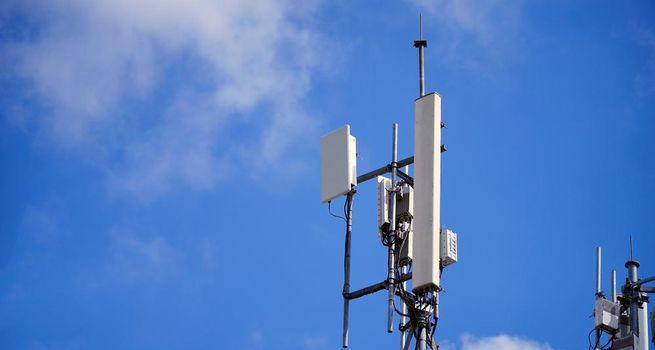
Vodafone Group plc (VOD) Stock Analysis: Telecom Major Slips 0.70% Amid Market Consolidation and Profit-Taking
Key Highlights
• Vodafone stock declined 0.70% to 107.10p with total market trading volume of 143,045,994 shares, reflecting active investor participation
• European telecom consolidation continues improving long-term industry profitability and pricing discipline
• Ongoing 5G rollout and fiber broadband expansion strengthening Vodafone’s long-term revenue outlook
• Cost optimization programs and debt reduction efforts supporting improving financial resilience
• Stable dividend policy and defensive telecom characteristics continue attracting income-focused investors
Introduction
Shares of Vodafone Group plc slipped 0.70% to 107.10p on March 11, 2026, reflecting modest profit-taking following recent telecom sector gains. Despite the slight decline, the stock witnessed significant trading activity with total market volume reaching 143,045,994 shares, indicating strong investor interest and liquidity.
The marginal pullback comes as investors reassess valuations across defensive sectors after a broader market rally. However, Vodafone continues to benefit from structural tailwinds including 5G adoption, enterprise digital transformation, and telecom market consolidation across Europe. These long-term drivers reinforce the company’s strategic positioning as one of the continent’s most influential telecom operators.
The broader FTSE 100 index continues to trade near record levels, supported by resilient economic data and strong demand for defensive dividend-paying companies. Telecom stocks, including Vodafone, often attract investors during uncertain macroeconomic conditions due to their predictable cash flows and essential service offerings.
For long-term investors, Vodafone remains a compelling telecom infrastructure play. The company’s global customer base, ongoing network investments, and expanding enterprise solutions portfolio provide multiple avenues for sustainable earnings growth and dividend stability.
About Vodafone Group plc
Vodafone Group plc is one of the world’s largest telecommunications companies, providing mobile connectivity, broadband services, television offerings, and enterprise communication solutions across Europe, Africa, and parts of Asia.
The company serves approximately 600 million customers globally, operating through major subsidiaries including Vodafone Germany, Vodafone UK, Vodafone Spain, and Vodafone Italy. Vodafone’s core operations span several segments:
- Mobile telecommunications services
• Fixed broadband and fiber connectivity
• Television and digital entertainment services
• Enterprise networking and cloud solutions
• Internet of Things (IoT) connectivity services
Vodafone’s competitive advantages include extensive spectrum assets, large-scale network infrastructure, enterprise client relationships, and global operational expertise. These factors help maintain strong customer retention and enable the company to deliver advanced digital services.
The company has also invested heavily in 5G networks, enabling faster data speeds, improved network capacity, and lower latency—features that support emerging technologies such as industrial automation, connected vehicles, and smart city infrastructure.
Why VOD Stock Is Moving Today
Vodafone shares declined 0.70% during the latest trading session, primarily due to short-term profit-taking and broader sector rotation following recent gains across European telecom equities.
Despite the price dip, very high trading activity with more than 143 million shares changing hands suggests that institutional investors remain actively engaged in the stock. High liquidity often signals portfolio rebalancing rather than a shift in long-term investor sentiment.
Several underlying factors continue to support Vodafone’s investment case:
- Continued 5G subscriber growth across European markets
• Expansion of enterprise digital services and IoT connectivity
• Ongoing cost-efficiency programs aimed at improving operating margins
• Progress in deleveraging and balance-sheet strengthening
Investors also remain focused on Vodafone’s strategic restructuring initiatives, including potential asset optimization and partnerships that could unlock shareholder value.
European Telecom Market Trends
The European telecommunications sector is undergoing structural transformation, driven by consolidation, digital service demand, and infrastructure investment.
One key trend is operator consolidation, with several markets transitioning from four to three major telecom providers. This shift typically improves pricing discipline and profitability across the industry.
Meanwhile, 5G deployment is accelerating across Europe, enabling telecom operators to offer enhanced services such as:
- Ultra-fast mobile broadband
• Low-latency connectivity for industrial applications
• Smart infrastructure and IoT integration
• Advanced enterprise communication solutions
Broadband expansion is another growth driver. Telecom operators are investing heavily in fiber infrastructure and fixed wireless access, improving connectivity across both urban and rural regions.
As digital services increasingly dominate consumer and enterprise activity, telecom companies like Vodafone are becoming critical infrastructure providers in the digital economy.
Financial Performance and Turnaround Progress
Vodafone’s financial performance has shown gradual stabilization after several years of revenue pressure in mature telecom markets. The company has focused on improving profitability through operational efficiency and strategic investments.
Key financial developments include:
- Improving operating margins due to cost-reduction initiatives
• Strong operating cash flow generation supporting network investment and dividends
• Debt reduction efforts improving leverage metrics
• Increasing contribution from data services and enterprise solutions
The company continues to allocate capital toward 5G infrastructure, fiber broadband deployment, and enterprise service expansion.
Revenue composition reflects diversification across several business segments:
- Consumer mobile services – ~45%
• Fixed broadband and television – ~20%
• Enterprise services – ~25%
• Other digital services – ~10%
This balanced mix helps reduce reliance on any single revenue stream while supporting long-term stability.
Telecom Industry Risks and Challenges
Despite attractive long-term prospects, the telecom sector faces several structural risks.
Pricing pressure remains a challenge in highly competitive European markets where customers often switch providers based on price.
Other risks include:
- Competition from over-the-top (OTT) communication platforms
• High capital expenditure requirements for network upgrades
• Regulatory oversight on pricing and data privacy
• Spectrum auction costs for future network capacity
• Rising energy and infrastructure costs affecting network operations
Additionally, telecom operators must continuously upgrade their networks to keep pace with evolving technology standards.
Future Growth Drivers and 5G Monetization
Vodafone’s long-term growth strategy is closely tied to 5G monetization and enterprise digital solutions.
The rollout of 5G networks enables new revenue opportunities across multiple sectors, including:
- Industrial automation and smart manufacturing
• Connected vehicles and mobility solutions
• Smart cities and infrastructure management
• Advanced enterprise networking solutions
Vodafone is also expanding fixed wireless access services, allowing customers to access high-speed broadband through 5G networks without requiring fiber installation.
Enterprise solutions represent another major growth area. Vodafone’s offerings include private networks, cybersecurity services, cloud connectivity, and IoT platforms.
These higher-margin services are expected to contribute significantly to future revenue growth.
Analyst Outlook and Market Sentiment
Equity analysts remain generally constructive on Vodafone’s long-term prospects, citing the company’s strong infrastructure base and improving operational efficiency.
Consensus analyst forecasts often highlight:
- Potential valuation upside driven by operational improvements
• Strong dividend attractiveness relative to peers
• Increasing revenue contribution from enterprise services
• Long-term benefits from telecom market consolidation
The recent 0.70% share price dip is widely viewed as short-term volatility rather than a change in the underlying investment thesis.
Market sentiment toward telecom operators has also improved as investors increasingly recognize the sector’s role as critical digital infrastructure.
Long-Term Investment Perspective
From a long-term perspective, Vodafone represents an attractive opportunity for investors seeking stable cash flows, dividend income, and exposure to digital infrastructure growth.
Several structural factors support the investment case:
- Rapid global growth in data consumption and connectivity demand
• Increasing reliance on enterprise digital networks and cloud services
• Expansion of IoT ecosystems and connected devices
• Continued 5G adoption across consumer and enterprise markets
Vodafone’s scale, infrastructure assets, and brand strength provide durable competitive advantages that support long-term earnings potential.
For income-focused investors, the stock’s consistent dividend payments combined with moderate growth prospects make it a compelling defensive investment.
Questions Investors Are Asking About Vodafone
Q: What percentage of Vodafone's customer base has adopted 5G services and what is the growth trajectory?
A: Approximately 15–25% of customers currently use 5G-capable devices, with adoption expected to exceed 60% within the next three years as handset penetration increases.
Q: How much capital does Vodafone require annually for network investments?
A: Vodafone typically spends 12–15% of annual revenue on capital expenditure, primarily focused on 5G deployment and fiber broadband infrastructure.
Q: What percentage of Vodafone’s revenue comes from enterprise services?
A: Enterprise solutions currently contribute roughly 25–30% of total revenue, with expectations for this share to increase as digital services expand.
Q: How extensive is Vodafone’s fiber broadband coverage?
A: The company currently reaches around 30–40% of households across key markets, with expansion targets approaching 70–80% over the next five years.
Q: What is Vodafone’s current leverage profile?
A: Vodafone’s net debt-to-EBITDA ratio is estimated around 2.5–3.0x, with management targeting gradual reduction through improved cash flow.
Q: What dividend yield does Vodafone offer investors?
A: Vodafone typically offers a dividend yield of roughly 3–4%, making it attractive for income-focused investors.
Q: How strong is Vodafone’s market position in Europe?
A: Vodafone maintains top-two market positions in several major European markets, with a combined regional share of around 20–25%.
Q: What spectrum assets support Vodafone’s 5G rollout?
A: The company holds extensive mid-band and high-band spectrum allocations across major markets, supporting advanced 5G capabilities.
Q: How significant is Vodafone’s broadband business?
A: Broadband currently represents around 20–25% of addressable customers, with strong growth potential as fiber networks expand.
Q: What strategic opportunities could accelerate Vodafone’s growth?
A: Potential catalysts include fiber infrastructure partnerships, enterprise technology acquisitions, and expansion in emerging markets.
Conclusion
The 0.70% decline in Vodafone shares to 107.10p reflects short-term market volatility rather than weakening fundamentals. High trading volume demonstrates that investors remain actively engaged in the stock as telecom infrastructure becomes increasingly critical to the digital economy.
With strong positions across European markets, expanding enterprise services, and continued 5G deployment, Vodafone Group plc remains well-positioned to capitalize on the next phase of global connectivity growth.
For investors seeking stable dividends, defensive characteristics, and exposure to long-term digital infrastructure trends, Vodafone continues to represent a compelling telecom investment opportunity.


 Nov 26, 2026





 Please wait processing your request...