
 AU
AU
 CA
CA
 US
US
 NZ
NZ
 IND
IND

 UK
UK

 Share
Share
 X (Formerly Twitter)
 Whatsapp
 Facebook
 LinkedIn
 Telegram
 Email This Article
 Copy Link
 Summarize with AI
 Chat GPT
 Perplexity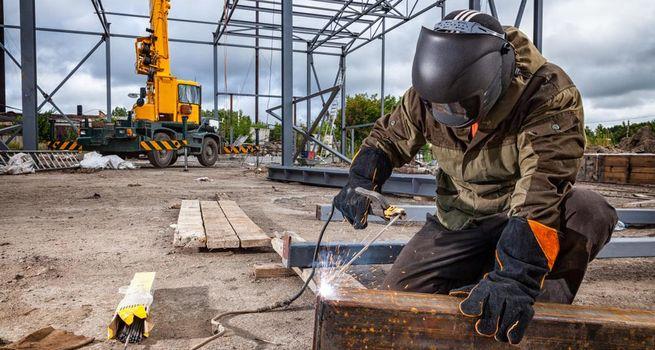
Key Highlights
- Severfield (LSE:SFR) is approaching a scheduled results date that may draw attention from investors tracking UK structural steel and infrastructure.
- Investors may be watching for updates on order pipelines, project activity and the wider construction backdrop before and after the announcement.
- The structural steel sector sits at the meeting point of public infrastructure spending, commercial construction and industrial demand.
- Market interest could build around how the company is positioned within longer-term UK building and infrastructure trends.
- As always, the results may provide clues rather than certainties, and investors typically weigh several factors at once.
Introduction
Severfield (LSE:SFR) has moved into focus as a scheduled results date approaches, placing the company on the radar of investors who follow the UK structural steel and infrastructure space. For a business operating at the structural heart of large construction projects, a results update can serve as a useful checkpoint, offering a moment to assess how trading conditions, project activity and the broader market environment have been evolving.
Companies that fabricate and erect structural steel are closely tied to the rhythm of construction and infrastructure cycles. When a firm such as Severfield appears in the results calendar, market interest could build around the themes that tend to shape sentiment in this corner of the market, even before any figures are published. The period leading up to an announcement is often when investors revisit the questions they want answered most.
This article looks at why Severfield is in focus, what a results update may mean for those watching, and the wider sector context that frames the discussion. It avoids predicting specific outcomes and instead concentrates on the themes investors may be weighing in the run-up to the announcement and in the period that follows it. The aim is to set out the landscape rather than to anticipate the contents of any statement.
Why Severfield Is in Focus
The most immediate reason Severfield is attracting attention is simply its position in the scheduled results calendar. Reporting dates act as natural focal points for investors, prompting renewed scrutiny of a company's trajectory. As the date nears, market participants often revisit their assumptions and consider what the update might confirm or challenge about the business and its end markets.
Severfield operates in the structural steel arena, a field that supplies and assembles the steel frameworks underpinning major buildings and infrastructure. Because this activity is interwoven with construction demand, transport and energy projects and the wider economic climate, companies in the space can be sensitive to shifts in the operating environment. That sensitivity is part of why a results update from such a business can attract a broad audience.
Investors may also be watching because structural steel sits within several long-running narratives in the UK economy, including infrastructure investment, commercial property development and industrial construction. A company positioned across these themes can become a reference point for sentiment toward the broader sector, meaning its update may be read for signals that extend beyond the firm itself and into the wider construction landscape.
What the Results Update May Mean
A results update from Severfield may provide a structured opportunity for investors to gauge how the company has been navigating its market. Rather than focusing on any single number, market participants often look at the overall picture an update presents, including the tone of any accompanying commentary and the themes management chooses to emphasise.
Before the reporting date, investors may be looking for confirmation of the trends they have been tracking, such as the pace of project activity, the health of order pipelines and conditions across the construction supply chain. The anticipation phase can itself influence how the update is received, since expectations are formed in advance and then tested against what is actually reported.
After the results are published, attention typically shifts to interpretation. Traders may be looking for confirmation of continuity or for evidence of change, and the commentary surrounding the figures can be as influential as the figures themselves. The update may provide clues about the company's direction, but it is rarely the only factor investors consider when forming a view.
It is worth stressing that an update of this kind does not, on its own, determine outcomes. Markets weigh new information against existing expectations, the wider sector backdrop and broader economic conditions, so the way a results statement is received can depend heavily on the context in which it lands and the mood of the market at that moment.
Sector Background and Market Context
Structural steel fabrication is a foundational part of the construction value chain. Firms in this sector design, manufacture and install the steel frames that support office towers, stadiums, distribution centres, bridges and a range of industrial and infrastructure assets. The work is closely linked to the pipeline of major projects across the economy.
Demand in the sector is influenced by several forces. Public infrastructure investment, including transport and energy-related construction, can shape the volume of large projects coming to market. Commercial property development, warehousing and logistics, and industrial expansion also feed into demand for fabricated steel. Because these drivers move with the economic cycle, the sector can experience periods of stronger and softer activity.
Input costs are another defining feature. Steel is a globally traded commodity, and its price can be affected by international supply and demand, energy costs and trade dynamics. Fabricators also contend with labour availability, project timing and the broader cost environment. These factors form part of the backdrop against which any company in the space operates, and investors often keep them in mind when interpreting sector news.
The UK construction and infrastructure landscape has long been shaped by debates over investment in transport, housing, energy transition and regional development. Structural steel companies sit within these wider conversations, which is part of why updates from the sector can attract interest from investors thinking about the trajectory of UK building activity over time and the durability of project pipelines.
Key Details Investors Should Know
Severfield trades on the London Stock Exchange under the ticker SFR and operates in the structural steel, construction and infrastructure sector. These basic identifiers help frame the company within the broader market and clarify where it sits among UK-listed industrial and construction-related names.
Beyond the identifiers, the most relevant detail for many investors is the company's exposure to construction and infrastructure cycles. Businesses of this type are often assessed in relation to the pipeline of projects they may be involved in, the conditions in their end markets and the broader health of the sectors they serve.
It is important to be clear about what this article does and does not cover. It does not present specific financial figures, forecasts, ratings or project details, because the aim is to discuss the themes investors may be watching rather than to make claims about outcomes. Those seeking precise data points would refer to the company's own published materials once they are available, alongside other independent sources.
Key Investor Watchpoints
Ahead of the results, several themes commonly draw attention in the structural steel space. Investors may be watching the level of project activity and the apparent strength of order pipelines, as these can offer a sense of the demand environment. The health of end markets such as commercial construction and infrastructure is another frequent focal point.
Cost dynamics also tend to feature in investor thinking. Because steel prices, energy costs and labour availability all feed into the operating environment for fabricators, market participants often consider how these factors are evolving. The way a company manages its cost base relative to its project workload can be a recurring point of interest for those following the sector.
After the results, attention may turn to the tone of any commentary about the operating backdrop and the company's positioning. Traders may be looking for confirmation that the themes they have been monitoring remain intact, or for signals that conditions are shifting. The update may help clarify the picture, although investors typically combine it with other information before reaching conclusions.
Risks to Watch
Like any company tied to construction and infrastructure cycles, a structural steel business faces a range of risks that investors may keep in mind. Cyclicality is a central one: demand for major projects can rise and fall with the economic environment, which can influence activity levels across the sector over time.
Cost and supply risks are also relevant. Movements in steel prices, energy costs and the availability of skilled labour can all affect the operating environment. Project timing is another consideration, as delays or changes in the schedule of large works can influence how activity flows through a business over a given period.
Broader macroeconomic factors, including interest rates, inflation and the pace of public and private investment, form part of the backdrop as well. None of these risks points to a particular outcome, but they are the kinds of considerations investors often weigh when assessing companies in the construction and infrastructure space, both before and after a results update.
It can also be helpful to remember that risk and opportunity often sit side by side in cyclical sectors. The same factors that introduce uncertainty, such as the timing of large projects or movements in input costs, can also create the conditions for periods of stronger activity. Investors frequently try to balance these considerations rather than viewing any single risk in isolation, which is why a results update tends to be read in the round.
What Could Happen Next?
In the period immediately around the results, market interest could build as investors digest the update and its accompanying commentary. The reaction often depends on how the information compares with the expectations that had formed beforehand, as well as on the wider sector and economic mood at the time.
Some investors may treat the update as a checkpoint within a longer view, focusing on whether the themes they care about appear to be developing as anticipated. Others may concentrate on shorter-term signals. In either case, the company remains in focus as a reference point for sentiment toward UK structural steel and infrastructure.
It is worth remembering that no single update guarantees a particular share price path. Markets respond to a blend of new information, existing expectations and external conditions. The results may provide clues about direction, but the subsequent picture typically emerges from a combination of factors rather than from one announcement alone.
Long-Term Outlook
Over a longer horizon, the structural steel sector is shaped by the trajectory of construction and infrastructure activity across the economy. Debates over investment in transport, energy, housing and regional development all influence the pipeline of projects that companies in the space may eventually engage with.
Structural trends such as the shift toward modern building methods, the energy transition and the continued demand for logistics and industrial space can also play a role in shaping the sector's prospects over time. Companies positioned across these themes may find that long-term sentiment is influenced by how these wider currents evolve.
For investors taking a longer view, a single results update is generally one data point among many. The broader outlook for a structural steel business tends to depend on the sustained health of its end markets, the cost environment and the pace of investment in UK construction and infrastructure, all of which develop gradually rather than in a single moment.
Conclusion
Severfield (LSE:SFR) is in focus as a scheduled results date approaches, drawing attention from investors who follow UK structural steel, construction and infrastructure. The run-up to such an announcement is often a time when market participants revisit the questions they want addressed and consider what the update might confirm or challenge.
The themes likely to feature include project activity, order pipelines, the health of end markets and the cost environment, all set against the broader backdrop of UK construction and infrastructure investment. Before the results, investors may be looking for confirmation of the trends they have been tracking; after them, attention typically shifts to interpreting the commentary and figures.
Ultimately, a results update offers a checkpoint rather than a verdict. The company remains in focus, and the announcement may provide clues about its direction, but investors generally weigh it alongside the wider sector context and broader economic conditions when forming their own views.


 Jun 24, 2026
 Please wait processing your request...