
 AU
AU
 CA
CA
 US
US
 NZ
NZ
 IND
IND

 UK
UK

 Share
Share
 X (Formerly Twitter)
 Whatsapp
 Facebook
 LinkedIn
 Telegram
 Email This Article
 Copy Link
 Summarize with AI
 Chat GPT
 Perplexity
Why Did LSE:SFR Fall 2.18% On 19 June 2026?
LSE:SFR - Severfield Plc declined 2.18% on 19 June 2026 as investors continued reducing exposure to economically sensitive industrial and construction-related shares amid broader market uncertainty.
The decline appears primarily linked to concerns regarding construction activity, economic growth expectations, project timing and wider risk-off sentiment affecting industrial stocks rather than any major deterioration in Severfield's long-term business outlook.
Despite today's weakness, Severfield remains one of the UK's leading structural steel specialists and continues benefiting from exposure to some of the most important long-term investment themes, including infrastructure development, data centre construction, industrial facilities and energy transition projects.
The share price decline appears largely sentiment-driven as investors assess whether economic conditions will support continued capital expenditure across commercial and industrial sectors.
Could Construction Sector Concerns Be Driving Today's Decline?
One of the most significant factors affecting Severfield is uncertainty surrounding construction activity.
Investors remain focused on:
- Commercial property development
- Infrastructure project timelines
- Industrial investment trends
- Corporate capital expenditure
- Economic growth forecasts
Construction-related stocks often experience volatility when investors become concerned about economic momentum.
Even though long-term infrastructure demand remains relatively strong, short-term project delays or slower development activity can influence market sentiment.
This appears to be contributing to today's weakness.
How Does Severfield Generate Revenue?
Severfield is one of the UK's largest structural steel companies.
The business provides steel design, fabrication and construction services across multiple sectors.
Key end markets include:
- Commercial buildings
- Data centres
- Distribution facilities
- Industrial projects
- Transport infrastructure
- Energy infrastructure
- Stadium developments
The company earns revenue through project execution, fabrication services and engineering expertise.
Its position within large-scale construction projects makes it an important participant in UK infrastructure development.
Why Are Data Centres Becoming A Major Growth Opportunity?
Data centre construction has become one of the strongest structural growth themes globally.
Artificial intelligence, cloud computing and digital transformation continue driving demand for computing infrastructure.
Major technology companies are investing billions into:
- AI facilities
- Hyperscale data centres
- Cloud infrastructure
- Digital storage facilities
Many of these projects require significant structural steel components.
This trend has created an important growth opportunity for engineering and construction specialists such as Severfield.
Investors continue monitoring whether this demand can offset weakness in other construction segments.
How Is Artificial Intelligence Influencing Severfield's Outlook?
Although Severfield is not an AI company itself, it indirectly benefits from AI investment.
Artificial intelligence requires:
- Data centres
- Computing facilities
- Power infrastructure
- Digital connectivity assets
These projects create demand for large-scale construction and engineering services.
As AI investment accelerates globally, infrastructure providers supporting data centre construction may benefit from increased project opportunities.
This remains one of the most attractive long-term themes supporting Severfield's business model.
How Are Global Markets Affecting Investor Sentiment?
Global investors continue monitoring:
- Israel-Iran tensions
- Oil price volatility
- Interest rate expectations
- Economic growth forecasts
- Inflation trends
Industrial stocks often experience heightened sensitivity during periods of geopolitical uncertainty because capital investment decisions may be delayed when economic visibility declines.
While Severfield has limited direct exposure to Middle East operations, broader risk-off sentiment continues affecting infrastructure and construction shares.
What Is Happening Across The UK Construction Industry?
The UK construction sector continues experiencing mixed conditions during 2026.
Positive factors include:
- Infrastructure spending
- Energy transition projects
- Grid investment
- Logistics development
- Data centre demand
Challenges include:
- Higher financing costs
- Economic uncertainty
- Labour shortages
- Project delays
- Commercial property weakness
Investors continue assessing which of these trends will dominate over the coming quarters.
What Latest Corporate Developments Are Investors Watching?
Several factors remain important for shareholders.
These include:
- Project pipeline growth
- Contract awards
- Margin performance
- Data centre activity
- Infrastructure opportunities
- Operational efficiency
- Revenue visibility
The market remains particularly focused on whether Severfield can continue securing major projects despite uncertain economic conditions.
Order book strength remains one of the most important indicators of future performance.
What Is The Dividend Outlook For Severfield?
Dividend sustainability remains an attractive aspect of the investment case.
Investors continue evaluating:
- Cash generation
- Profitability
- Balance sheet strength
- Project execution
Infrastructure-related businesses with strong order books can often support consistent shareholder returns even during periods of economic uncertainty.
Future dividend expectations remain closely linked to operational performance and project delivery.
How Does Severfield Compare With Industry Peers?
Compared with many industrial and construction peers, Severfield benefits from:
- Market leadership
- Engineering expertise
- Infrastructure exposure
- Diversified project portfolio
- Strong reputation
Challenges include:
- Cyclical construction demand
- Economic sensitivity
- Project execution risks
- Steel market volatility
The company remains highly regarded within the UK structural steel industry.
What Does Technical Analysis Suggest?
The 2.18% decline indicates short-term weakness in sentiment.
Current technical observations suggest:
- Moderating momentum
- Increased investor caution
- Some profit-taking activity
- Elevated macro sensitivity
However, the move does not currently indicate a major breakdown in longer-term trends.
Investors remain focused on fundamentals rather than short-term technical movements.
Is Severfield Attractive From A Valuation Perspective?
Valuation remains a key debate.
Bullish investors argue:
- Infrastructure demand remains robust.
- Data centre construction continues accelerating.
- Order books remain supportive.
- Energy transition spending remains attractive.
Bearish investors argue:
- Construction markets remain cyclical.
- Economic uncertainty could delay projects.
- Commercial development activity may slow.
This valuation debate continues influencing sentiment.
What Is The Bull Case For LSE:SFR?
The bullish thesis centres on infrastructure growth.
Supporters believe:
- Data centre construction will accelerate.
- AI investment will support infrastructure spending.
- Energy transition projects will expand.
- Grid modernisation will increase demand.
- Logistics development remains attractive.
These trends could support long-term revenue growth.
What Is The Bear Case For LSE:SFR?
The bearish thesis focuses on:
- Economic slowdown risks
- Construction sector weakness
- Project delays
- Margin pressure
- Commercial property softness
These concerns explain investor caution despite attractive structural growth opportunities.
What Upcoming Events Should Investors Watch?
Investors should monitor:
- Trading updates
- Construction sector data
- UK GDP releases
- Infrastructure spending announcements
- Data centre project activity
- Interest rate developments
- Energy transition investments
- Global geopolitical developments
These factors may influence future performance.
Is LSE:SFR Bullish, Bearish Or Neutral?
Short-term outlook appears neutral because macroeconomic uncertainty continues weighing on industrial stocks.
Medium-term outlook appears constructive given infrastructure and data centre opportunities.
Long-term outlook remains bullish if AI-related infrastructure spending, energy transition projects and industrial development continue expanding.
What Are The Key Risks Investors Should Consider?
Key risks include:
- Economic slowdown
- Construction market weakness
- Project delays
- Labour shortages
- Cost inflation
- Competitive pressures
Investors should monitor both macroeconomic and sector-specific developments.
How Does Severfield Score On ESG Factors?
Severfield benefits from exposure to infrastructure supporting:
- Renewable energy
- Grid modernisation
- Sustainable buildings
- Digital infrastructure
Environmental efficiency and responsible engineering practices continue becoming increasingly important for investors.
What Is The Final Investment Conclusion On LSE:SFR?
LSE:SFR's 2.18% decline on 19 June 2026 appears primarily driven by market sentiment, construction sector caution and broader economic uncertainty rather than any deterioration in the company's long-term fundamentals.
The company remains exposed to several powerful structural growth themes including data centre construction, artificial intelligence infrastructure, energy transition investment and major infrastructure development projects. While short-term volatility may persist, investors continue viewing project pipeline strength, contract wins and infrastructure spending as the key drivers of future performance.


 Jun 19, 2026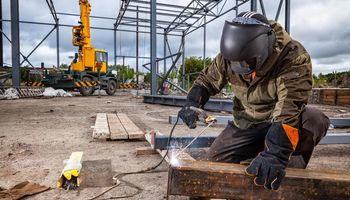



 Please wait processing your request...