
 CA
 NZ
 US
 AU
 IND

 UK

 Share
 X (Formerly Twitter)
 Whatsapp
 Facebook
 LinkedIn
 Telegram
 Email This Article
 Copy Link
 Summarize with AI
 Chat GPT
 Perplexity
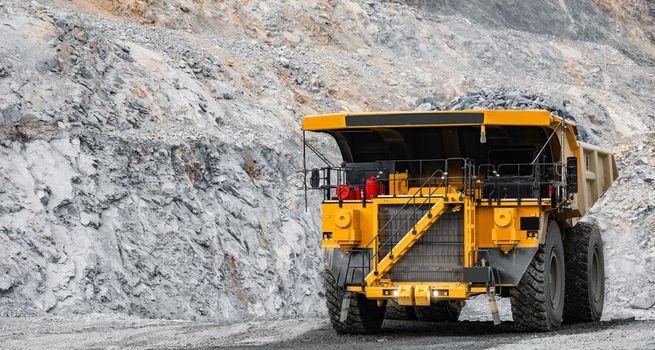
Why Did LSE:GLEN - Glencore plc Rise 1.30% on 16 June 2026?
LSE:GLEN - Glencore plc closed higher by approximately 1.30% on 16 June 2026, outperforming many large-cap resource peers as investors continued rotating into commodity-linked equities amid rising geopolitical uncertainty, strengthening industrial metals prices, resilient global resource demand and improving sentiment across the mining sector. According to market data, the stock finished around 590.6p, reflecting renewed investor interest in diversified mining and commodity trading businesses that can benefit from both physical production and trading opportunities.
The move came as global investors increasingly focused on companies with significant exposure to copper, cobalt, nickel, zinc, energy products and commodity trading operations. With the Israel-Iran conflict continuing to dominate global headlines and supply chain risks remaining elevated across commodity markets, Glencore's diversified business model has attracted attention as a potential beneficiary of higher commodity volatility and stronger trading margins.
The stock also benefited from ongoing enthusiasm surrounding artificial intelligence infrastructure development, data centre expansion, electrification projects, power grid upgrades and renewable energy investments, all of which are driving long-term demand for copper and other critical minerals where Glencore maintains significant exposure.
What Was the Biggest Catalyst Behind Today's Gain?
The biggest catalyst behind today's rise was the combination of stronger commodity market sentiment and Glencore's substantial exposure to copper, one of the most strategically important metals in the global economy.
Copper demand remains supported by artificial intelligence infrastructure investments, electric vehicle manufacturing, battery storage systems, renewable energy projects and global power transmission upgrades. Investors continue searching for companies positioned to benefit from these structural growth trends, and Glencore remains one of the largest diversified producers and marketers of key industrial metals globally.
Another major catalyst has been Glencore's strong operational performance. The company recently reported a 19% year-over-year increase in first-quarter copper production, supported by improved grades from African operations and stronger output from key mining assets. Management also maintained full-year production guidance despite operational challenges across some commodities.
How Did Middle East Tensions Influence Glencore Shares Today?
The ongoing Israel-Iran conflict remains one of the most important macroeconomic developments influencing commodity markets.
Whenever geopolitical tensions threaten energy supplies, shipping routes or global trade flows, commodity markets often experience increased volatility. Such environments can benefit large commodity trading businesses such as Glencore because volatility frequently creates trading opportunities across metals, energy and agricultural markets.
Management previously indicated that higher commodity prices resulting from geopolitical uncertainty could more than offset rising operational costs, helping support margins across the business. Market participants therefore continue monitoring developments in the Middle East closely.
Oil prices, energy costs and inflation expectations remain highly sensitive to regional developments. Any escalation could strengthen commodity prices further, while signs of de-escalation could reduce inflation concerns and moderate resource market momentum.
Why Are Copper and Critical Minerals So Important for Glencore?
Copper has increasingly become the centrepiece of the global energy transition and AI infrastructure investment story.
Artificial intelligence data centres require enormous amounts of electrical infrastructure. Electric vehicles require significantly more copper than traditional vehicles. Renewable energy systems depend heavily on copper wiring and transmission networks. National power grid upgrades across North America, Europe and Asia continue supporting long-term copper demand.
Glencore has strategically positioned itself to benefit from these trends through its extensive mining operations and commodity marketing activities. Recent production updates demonstrated continued strength in copper output, reinforcing investor confidence in the company's ability to capitalize on future demand growth.
Beyond copper, Glencore remains an important participant in cobalt, nickel and zinc markets, all of which are linked to electrification and battery supply chains.
What Latest Company Developments Are Investors Watching?
Investors are currently monitoring several important company-specific developments.
The company recently reaffirmed its 2026 production guidance despite operational challenges across certain assets. Management expects stronger commodity prices to offset cost inflation pressures affecting diesel and other operational inputs.
Investors are also focused on Glencore's marketing division, which management indicated could potentially exceed the upper end of annual earnings guidance due to favorable trading conditions. This is particularly significant because the marketing business often provides earnings diversification during periods of commodity market volatility.
Additionally, the company continues advancing its copper growth strategy, targeting substantial long-term production expansion from existing assets and development projects.
How Important Are Shareholder Returns and Dividends?
Shareholder returns remain a major attraction for investors.
Glencore recently maintained its commitment to returning capital to shareholders, including a previously announced shareholder distribution and broader capital return programme. The company confirmed a capital return of approximately $0.085 per share as part of its shareholder distribution strategy.
The company also announced approximately $2 billion of shareholder returns despite softer earnings compared with prior years, highlighting management's continued focus on capital discipline and shareholder value creation.
Income-focused investors continue monitoring future dividend announcements, capital returns and cash flow generation amid evolving commodity market conditions.
How Does the Current Global Macro Environment Support the Stock?
Several macroeconomic themes are supporting resource stocks during June 2026.
Global inflation concerns remain elevated due to geopolitical tensions and supply chain uncertainties.
Artificial intelligence infrastructure spending continues accelerating.
Energy transition investments remain significant across developed economies.
Strategic competition for critical minerals continues intensifying among governments and corporations.
Commodity supply constraints persist across several key markets.
Together, these factors have improved sentiment toward diversified mining companies with strong exposure to future-facing commodities such as copper and cobalt.
How Does Glencore Compare With Industry Peers?
Within the FTSE 100 mining sector, Glencore occupies a unique position because it combines large-scale mining operations with one of the world's most extensive commodity marketing businesses.
Unlike many mining peers that depend primarily on production volumes, Glencore can potentially benefit from both stronger commodity prices and increased market volatility. This diversified model often attracts investors during uncertain macroeconomic environments.
The company also possesses substantial exposure to copper, which many analysts consider among the most strategically important commodities for the coming decade.
What Does the Technical and Valuation Picture Suggest?
From a technical perspective, the stock remains supported by positive commodity market momentum and improving investor sentiment toward mining equities.
The broader trend has been constructive throughout 2026 as investors increasingly focus on commodity scarcity, AI-driven metals demand and geopolitical risks affecting supply chains. Recent gains suggest buyers remain active during market pullbacks.
From a valuation perspective, investors continue balancing long-term commodity opportunities against risks including economic slowdowns, China demand uncertainty and operational challenges inherent within the mining industry.
What Is the Bull Case and Bear Case for Investors?
Bull Case
The bullish scenario centers on stronger copper demand, accelerating AI infrastructure investment, sustained energy transition spending, higher commodity prices, improved trading profits and continued shareholder returns. Additional upside could emerge if supply constraints tighten critical mineral markets further.
Bear Case
The bearish scenario includes weaker global economic growth, slowing Chinese industrial activity, declining commodity prices, geopolitical de-escalation reducing inflation hedging demand, regulatory challenges and operational disruptions at key mining assets. Investors must also monitor cost inflation and commodity price volatility.
What Upcoming Events Should Investors Watch?
Investors should closely monitor:
- Copper price movements
- Developments in the Israel-Iran conflict
- Global inflation and interest rate trends
- Future production updates
- Dividend and capital return announcements
- Commodity trading performance
- China economic data
- Global manufacturing activity
- Critical minerals policy developments
- Energy market volatility
What Are the Key Risks?
Key risks include commodity price weakness, geopolitical uncertainty, regulatory changes, operational disruptions, environmental compliance costs, slower global economic growth and unexpected shifts in critical mineral demand.
Mining remains a cyclical industry, and earnings can fluctuate significantly depending on commodity prices and production performance.
How Does Glencore Score on ESG Considerations?
Glencore continues investing in metals supporting electrification, renewable energy and decarbonization trends. However, investors also closely monitor environmental performance, carbon emissions management, mining practices, community relations and governance standards given the company's scale and global footprint.
ESG performance remains an important consideration for institutional investors evaluating long-term investment opportunities.
What Is the Final Investment Conclusion?
Glencore's 1.30% gain on 16 June 2026 reflects a combination of improving commodity sentiment, strong copper fundamentals, geopolitical uncertainty, attractive shareholder returns and growing investor focus on AI-driven infrastructure demand.
The company's diversified exposure across mining and commodity trading provides multiple earnings drivers compared with traditional mining peers. Continued strength in copper, critical minerals and commodity trading markets could remain supportive, while investors should remain aware of cyclical risks associated with global economic growth and commodity prices.
Overall, Glencore remains one of the most closely watched FTSE 100 mining stocks as investors navigate a market increasingly influenced by geopolitics, inflation, artificial intelligence infrastructure spending and the global energy transition.


 Nov 25, 2026





 Please wait processing your request...