
 AU
AU
 CA
CA
 US
US
 NZ
NZ
 IND
IND

 UK
UK

 Share
Share
 X (Formerly Twitter)
 Whatsapp
 Facebook
 LinkedIn
 Telegram
 Email This Article
 Copy Link
 Summarize with AI
 Chat GPT
 Perplexity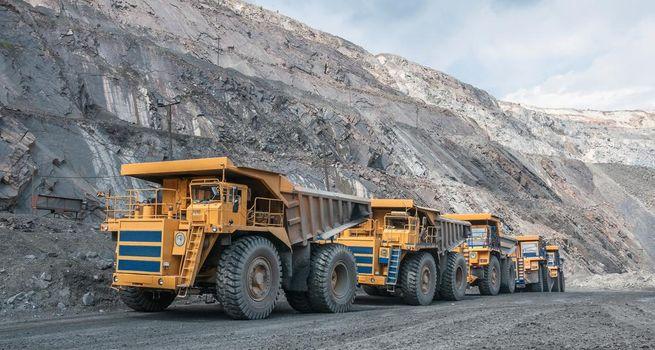
Key Highlights
- Glencore is one of the largest diversified miners and commodity traders on the London Stock Exchange.
- The shares are sensitive to commodity prices, making them prone to swings in global demand.
- Recent softness may reflect broad commodity pressure weighing on the mining sector.
- Income investors may be watching Glencore for its shareholder-return story.
- As a major large-cap name, Glencore remains central to how the market views the resources sector.
Introduction
Glencore (LSE:GLEN) is one of the most distinctive companies on the London Stock Exchange, combining large-scale mining with a global commodity-trading business. This dual character places it at the heart of how investors think about the resources sector. When the shares drop amid broad commodity pressure, the move may reflect a more cautious mood toward the materials that underpin its earnings.
When a stock of this scale comes under pressure, the reasons are usually broad rather than specific. Glencore's tone reflects the direction of commodity prices, the strength of global industrial demand, the performance of its trading arm and the wider mood toward mining shares. For investors trying to understand the recent softness, it helps to consider its structural position, the sector backdrop and the watchpoints that shape sentiment.
This article examines Glencore's market position, the context behind recent share-price weakness, the valuation and dividend considerations that often accompany large miners, and the risks that any holder should weigh. The aim is to provide balanced, informational context rather than to suggest any particular course of action.
Why Glencore (LSE:GLEN) Is in Focus
Glencore stands out among UK-listed companies because of its blend of mining and commodity trading. As one of the largest constituents of the FTSE 100 resources sector, it is widely held within index products, pension funds and income portfolios. Its size and unusual business mix ensure that its movements feature prominently whenever investors assess mining and commodities.
The company's tone is tightly connected to the prices of the raw materials it produces and trades. When commodity prices move, Glencore is among the first names investors turn to, since its earnings are heavily influenced by the value of these materials. Market interest appears to shift whenever the outlook for industrial demand changes, whether due to economic conditions, construction activity or developments in major consuming economies. When the shares drop, the move may reflect broad commodity pressure.
Glencore also functions as a barometer for the wider resources sector. Because it spans a range of commodities and adds a significant trading dimension, its performance can offer a read on conditions that more specialised producers cannot. Investors may be watching the stock not only for its own prospects but for what its behaviour might signal about appetite for mining shares more broadly.
What the Latest Market Move May Signal
Recent softness in Glencore's shares can reflect a wide range of influences, and it is rarely wise to read too much into a single move. Periods of selling pressure may reflect caution about global industrial demand, weaker commodity prices or a more risk-averse mood across cyclical sectors. The move may reflect a market reassessing the near-term outlook for the materials the company produces and trades.
When mining shares come under pressure, traders may be reassessing how earnings could respond to a softer demand environment, since commodity values are such a meaningful driver. The trading arm adds another dimension, since its results can vary with market conditions. At the same time, sentiment toward major consuming economies can influence how investors treat the shares.
It is worth emphasising that price action reflects many overlapping expectations rather than a forecast in itself. The stock has attracted attention precisely because it sits at the meeting point of commodity cycles, trading dynamics and global industrial trends, which can make its behaviour a useful, if imperfect, gauge of sentiment toward the resources sector.
Sector Background and Market Context
The mining and commodities sector is unusually exposed to forces beyond any single company's control. Commodity prices are shaped by global supply and demand, the pace of industrial activity, decisions by major producers and the broader health of the world economy. For a diversified miner like Glencore, this means earnings can swing meaningfully with the commodity cycle, even as scale and diversification provide some cushioning.
Glencore's trading business is a distinctive feature. By marketing and trading commodities in addition to producing them, the company aims to capture value across the supply chain and can sometimes benefit from volatility that challenges pure producers. This trading dimension sets it apart from many peers, though it also introduces its own variability and complexity that investors weigh when assessing the business.
Demand from major economies is a central theme for the sector. Construction, infrastructure, manufacturing and the energy transition are significant consumers of mined materials, so the health of these activities matters greatly. When industrial demand is strong, miners and traders can benefit; when it slows, the same companies can feel the pressure. This sensitivity is part of why the sector is viewed as cyclical.
Within the UK market, mining is one of the most internationally oriented sectors. Glencore stands as one of its most recognisable names, and its scale and business mix mean it is often discussed in the context of both the country's market and the global resources landscape.
Large-Cap Position and Investor Appeal
Glencore's position as one of the largest companies on the London market is central to its appeal. Large-cap miners are typically liquid, widely researched and embedded in index products, which means they are owned by a broad cross-section of investors. For those seeking exposure to commodities, with the added dimension of trading, through a single London-listed share, Glencore is a distinctive candidate.
Shareholder-return appeal is a recurring theme for income-focused holders. Major miners have historically been associated with cash returns to shareholders, often linked to the strength of commodity markets. Investors may be watching the company's distribution profile closely, recognising that mining returns can be more variable than those of steadier sectors because they depend on cyclical earnings. Distributions are never guaranteed and depend on profitability and board decisions.
Valuation watchpoints for diversified miners often centre on cash flow, the outlook for commodity prices, the contribution of trading and capital discipline. Because earnings can be highly cyclical, the market tends to assess how a company manages investment, debt and returns through the cycle. For Glencore, investors weigh the cash-generating potential of its mining and trading activities against the uncertainties of commodity markets. The company remains a major large-cap name, considered alongside both UK and global mining peers.
Key Investor Watchpoints
Several themes are likely to remain central for those following Glencore. These are areas of attention rather than predictions, and each can move in more than one direction depending on the wider environment.
- Commodity prices: the value of the materials Glencore produces and trades is a core driver of its earnings.
- Global industrial demand: construction, infrastructure and the energy transition influence consumption.
- Trading performance: the marketing and trading arm can add variability and opportunity.
- Major-economy conditions: the health of large consuming economies can shape sentiment toward miners.
- Shareholder returns: investors may be watching how the company returns cash through the cycle.
Risks to Watch
No mining and trading company is without risk, and Glencore's exposure to commodity markets means it faces a particularly cyclical set of considerations. The points below are not forecasts of trouble but examples of the factors that prudent investors tend to monitor.
- Commodity-price volatility: swings in raw-material prices can have a significant effect on earnings.
- Demand sensitivity: a slowdown in global industrial activity could weigh on results.
- Trading variability: the trading arm's results can fluctuate with market conditions.
- Operational and geopolitical factors: mining is capital-intensive and exposed to policy and project risks.
- Cyclical returns: because earnings can vary, shareholder returns may fluctuate more than in steadier sectors.
What Could Happen Next?
Looking ahead, the path for Glencore's shares is likely to be shaped by the direction of commodity prices, the strength of global industrial demand and the performance of its trading business. If demand stabilises and commodity markets find support, investors may revisit the stock as a way to access resources with an added trading dimension. If industrial activity softens further, the shares could remain under pressure as the market reassesses the outlook.
Traders may be reassessing the company's prospects whenever fresh information emerges about commodity markets or the health of major economies. Market interest appears to be building around how diversified miners manage the cycle and balance returns with investment. For Glencore specifically, the interplay between its mining and trading activities is likely to remain a key focal point.
None of this points to a predetermined outcome. The most reasonable expectation is continued attention from a wide investor base, with the shares responding to the same blend of commodity, demand and trading forces that has long defined how diversified miners trade. Investors may watch commodity developments and the general tone of the sector for clues about sentiment.
Long-Term Outlook
Over a longer horizon, Glencore's defining feature is likely to remain its combination of mining and commodity trading. The materials the company produces are used across construction, manufacturing and the energy transition, which gives it a structural link to long-term industrial development, while the trading arm adds a distinctive dimension. For investors with a long-term view, the appeal often rests on owning a large, diversified resources business, while recognising the cyclical nature of commodities.
At the same time, the long-term story is inseparable from the volatility of commodity markets, the variability of trading and the operational demands of mining. Success depends on disciplined capital allocation, effective execution and the ability to navigate regulation and geopolitics across many regions. How well the company manages these challenges will help determine whether it can sustain the qualities that have made it a core large-cap holding.
For now, Glencore occupies a distinctive position in the UK market. It remains a major large-cap name, widely held and widely watched, and its performance is likely to stay closely tied to the commodity cycle and the health of global industry.
Conclusion
Glencore (LSE:GLEN) holds a distinctive position as one of the UK's largest and most unusual resources companies, combining mining with global commodity trading. Its scale, its diversified portfolio and its trading dimension make it a stock that many investors return to when thinking about commodities. The factors that keep it in focus, from commodity prices to trading conditions, are also the sources of its risk, which is why a balanced view matters, especially during periods of commodity pressure.
Rather than offering a verdict, the more useful takeaway is an understanding of the forces at play: a large, diversified miner and trader with genuine strengths, operating in a cyclical sector exposed to global industrial trends. Investors may be watching the company closely, but any decision should rest on individual circumstances and independent research. As a cornerstone of the FTSE 100, Glencore is likely to remain a barometer for the resources sector.
Disclaimer
This article is for informational purposes only and does not constitute financial advice. Investors should conduct their own research or speak with a licensed financial adviser before making investment decisions.

 Jun 24, 2026

 Please wait processing your request...