
 CA
 NZ
 US
 AU
 IND

 UK

 Share
 X (Formerly Twitter)
 Whatsapp
 Facebook
 LinkedIn
 Telegram
 Email This Article
 Copy Link
 Summarize with AI
 Chat GPT
 Perplexity
Business Overview
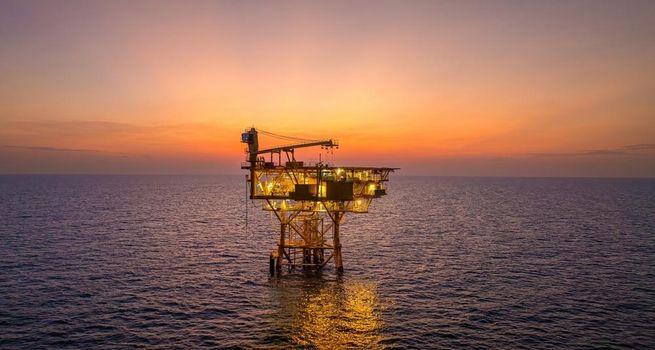
Shell PLC is among the largest integrated energy companies in the world, with a fully diversified portfolio that spans Upstream oil and gas, integrated gas and liquefied Natural Gas, refining and chemicals, retail fuels and lubricants, and a growing renewables and energy-solutions arm. The group operates in more than seventy countries and supplies energy to retail and commercial customers through a network of roughly forty-six thousand service stations, one of the largest in the global mobility sector. Its upstream activities include long-life producing Assets in deep-water Brazil, the Gulf of Mexico, the North Sea, Nigeria, Malaysia and Oman, while its integrated gas business operates LNG export hubs across Australia, Trinidad, Qatar and Brunei.
The company’s Downstream and chemicals operations include world-scale refineries and petrochemical complexes that anchor the Supply chain for transportation fuels, jet fuel, marine bunker products and a wide spectrum of base chemicals. Through its Renewables and Energy Solutions division, Shell is steadily expanding its presence in electric-vehicle charging, hydrogen, biofuels and trading of renewable power, providing optionality on the long-term decarbonisation pathway. The combination of upstream production scale, Midstream LNG infrastructure, downstream conversion capacity and a customer-facing energy-Marketing engine gives Shell the breadth and resilience that few peers can replicate, and underpins our positive view on the stock.
Sector Backdrop
The global energy sector continues to operate against a backdrop of structurally tight upstream Investment and elevated geopolitical risk premia. Years of underinvestment following the 2014–2020 Commodity cycle have left non-OPEC supply growth modest and have placed a premium on companies that already own producing barrels and well-capitalised LNG infrastructure. Meanwhile, global gas Demand remains supported by the structural pivot away from coal in power generation across Asia and by Europe’s continuing need for non-Russian piped and liquefied gas. These dynamics favour integrated majors with long-cycle assets and trading capabilities.
At the same time, the energy transition is reshaping Capital allocation across the sector. Investors increasingly reward companies that can demonstrate disciplined upstream capital spending, credible decarbonisation roadmaps and the ability to redirect cash into low-carbon platforms without sacrificing returns. Shell’s strategy of investing in performance, discipline and the simplification of its portfolio fits squarely with the direction of travel of long-term capital. With OECD oil inventories sitting below five-year averages and global LNG demand projected to rise by roughly fifty percent through the next decade, the operating environment for an integrated major with leading LNG Market Share is one of the most constructive seen in years.
Investment Thesis
Our Buy view on Shell rests on four pillars. First, the company is the world’s largest publicly traded LNG marketer, with Equity LNG sales volumes that are among the highest in the industry; this directly captures the structural strength in global gas markets. Second, Shell’s upstream portfolio is increasingly weighted toward low-cost, low-carbon-intensity barrels in deep-water Brazil and the Gulf of Mexico, which extend the breakeven cushion of free Cash Flow against commodity Volatility. Third, the company has executed a multi-year programme of cost reduction, asset high-grading and balance-sheet repair, taking gearing meaningfully lower and freeing up cash for shareholders. Fourth, capital returns through dividends and Buybacks have become the central feature of the equity story, demonstrating management’s willingness to share cash flow with owners.
Taken together, these factors create a setup in which Shell can comfortably generate substantial free cash flow even in a moderated oil-price environment, fund organic and inorganic growth, advance its energy-transition portfolio, and return material amounts of cash to shareholders. The combination of scale, integration and balance-sheet resilience gives investors confidence that the equity story is not dependent on a single commodity price scenario.
Energy Market Exposure
Shell’s Revenue and Earnings are exposed to a balanced mix of oil prices, natural-gas prices, refining margins, chemicals spreads, and increasingly to power and renewables trading. The integrated-gas and upstream segments together typically generate the bulk of adjusted earnings, with downstream and chemicals providing a counter-cyclical buffer when crude prices are weak. The marketing business, which includes the global service-station network, contributes a steady stream of consumer-driven earnings that is less volatile than commodity-driven cash flow. This blended exposure reduces single-commodity risk and is one reason why the integrated business model continues to deserve a quality premium.
Growth Drivers and Strategic Initiatives
Several growth platforms underpin our positive view. The integrated-gas business is being expanded through additional LNG sourcing contracts, optimisation of the global LNG portfolio and selective investment in liquefaction capacity, including new trains in Qatar and the United States. In upstream, Shell continues to bring on stream high-Margin developments in deep-water Brazil and the Gulf of Mexico, while reducing exposure to lower-return basins. In downstream, the company is reshaping its refining footprint into a smaller, higher-value set of energy and chemicals parks designed to convert Hydrocarbons into higher-margin products.
On the energy-transition side, Shell is building scale in electric-vehicle charging through its Recharge network, growing biofuels capacity at major sites, expanding hydrogen pilots in Europe and increasing trading of renewable power. Management has been clear that capital allocation to low-carbon platforms will be value-accretive rather than Volume-driven, which provides comfort that growth in these areas will not come at the expense of group returns. The combination of resilient hydrocarbon cash flow and disciplined transition investment is a hallmark of the new Shell.
Within the upstream segment, Shell continues to focus on a smaller number of advantaged hubs where it can extract more value through tie-back developments and infill drilling, rather than chasing new frontier exploration. Deep-water Brazil, where Shell has stakes in some of the most prolific producing fields in the world, is a particular standout: production from the country has grown rapidly and is expected to remain a key contributor to group cash flow for years. In addition, Shell is pursuing efficiency and digital initiatives across its global asset base aimed at lowering unit operating costs and emissions, a combination that should support both profitability and the company’s decarbonisation roadmap.
Beyond organic projects, Shell has a track record of selectively pursuing bolt-on acquisitions that strengthen its strategic position. Recent deals in LNG and renewable power have expanded the company’s reach without compromising balance-sheet discipline. The company has also been a measured seller of non-core assets, recycling capital out of mature or sub-scale positions and into platforms with better return profiles. This active Portfolio Management is a recurring source of value creation that we expect to continue.
Financial Performance
Shell has delivered a strong recovery in profitability and cash generation over the last several reporting cycles, benefiting from higher realised hydrocarbon prices, robust LNG trading contributions and tight cost control. Adjusted earnings, cash flow from operations and free cash flow have each shown significant improvement compared with the Pandemic-era trough, allowing the group to reduce net Debt and substantially increase distributions. Capital Expenditure has been held within a disciplined range, and management has communicated a clear preference for cash returns and selective high-return investments over volume-driven spending.
Returns on average capital employed have improved materially as the portfolio has been high-graded, and the group continues to target further improvement through a combination of cost reduction, divestments of non-core assets and increased contribution from the integrated-gas Franchise. The Balance Sheet has been transformed by deleveraging, giving the company significant flexibility to navigate commodity cycles, fund the energy transition and continue rewarding shareholders. For an investor looking for exposure to both cyclical commodity upside and through-cycle cash returns, Shell offers a compelling financial profile.
Looking beneath the headline numbers, the Quality of Earnings has improved as well. A growing share of group profits is contributed by the integrated-gas and trading businesses, which tend to be less correlated with the spot oil price than upstream earnings. The marketing business, which encompasses fuel retail, lubricants and convenience, generates a relatively stable stream of profit anchored by branded volumes and customer relationships. This shift in mix should, over time, allow the market to assign a higher quality rating to Shell’s earnings stream, and we view it as one of the key structural drivers of a potential re-rating in the equity.
Dividend and Yield Appeal
Capital returns are central to the Shell investment case. The company pays a progressive dividend that has been rebased and grown in a measured way, and supplements cash dividends with a sizeable, recurring buyback programme. Together, these have delivered a total-Shareholder-return profile that is competitive with the best of the global integrated majors. With the balance sheet in robust shape and free cash flow generation broad-based across segments, the sustainability of distributions looks well supported across a range of commodity-price scenarios. For income-oriented investors, Shell combines a reliable Cash Dividend with continued buybacks, materially shrinking the share count over time.
It is worth highlighting that Shell’s buybacks are sizeable in absolute terms compared with most global peers, and management has been consistent in returning a significant portion of cash flow from operations to shareholders through repurchases. The combination of progressive cash dividend and substantial buybacks creates a flexible, balanced approach that suits both pure-yield investors and those focused on total return through share-count reduction. Over time, the cumulative effect of this approach can meaningfully enhance per-share earnings power and dividend coverage.
Valuation Perspective
Despite the strength of the franchise, Shell continues to trade at undemanding multiples relative to its earnings power and free cash flow. On forward price-to-earnings, enterprise-value-to-cash-flow and free-cash-flow-yield bases, the stock screens attractively compared with both its European and US integrated peers. The valuation discount partly reflects the broader market’s caution toward fossil-fuel businesses, but in our view it overlooks the durability of cash flows, the scale of the LNG franchise, and the optionality embedded in the energy-transition portfolio. As capital returns continue and the energy-transition strategy demonstrates returns discipline, we expect the valuation gap to narrow.
Key Risks
Risks to the investment case include sustained weakness in oil and gas prices, which would compress upstream and integrated-gas earnings; weaker refining and chemicals margins in a downturn; operational interruptions at major upstream or LNG assets; and policy and regulatory shifts that affect either hydrocarbon production or the pace and Economics of the energy transition. Litigation and climate-related legal risk remain factors to monitor. In addition, large capital projects always carry execution risk, and currency movements can affect translated earnings for the GBP-listed shares. The diversified portfolio, conservative balance sheet, and strong Liquidity position help mitigate these risks but do not eliminate them.
There is also a longer-term risk associated with the energy transition itself. If the pace of decarbonisation accelerates faster than the company anticipates, demand for oil products could decline more rapidly than current planning assumptions suggest, putting pressure on residual asset values. Conversely, if the transition is slower or more disorderly than markets expect, Shell could face elevated political and regulatory pressure. Management’s strategy of investing in performance today, while building optionality in low-carbon platforms, is designed precisely to navigate this uncertainty, but investors should remain mindful that long-cycle energy capital allocation is inherently exposed to scenario risk.
Conclusion
Shell PLC combines global scale, Leadership in LNG, a high-quality upstream portfolio and a credible energy-transition pathway, all supported by a robust balance sheet and a clear commitment to shareholder returns. The shares offer a combination of resilient free cash flow, attractive distributions and modest valuation that, in our view, is compelling for long-term investors. We assign a Buy rating to Shell PLC, reflecting our confidence in the company’s ability to deliver through-cycle returns, advance its strategic transformation, and continue rewarding shareholders with meaningful and sustainable cash distributions.


 Nov 24, 2026





 Please wait processing your request...