
 CA
 NZ
 US
 AU
 IND

 UK

 Share
 X (Formerly Twitter)
 Whatsapp
 Facebook
 LinkedIn
 Telegram
 Email This Article
 Copy Link
 Summarize with AI
 Chat GPT
 Perplexity
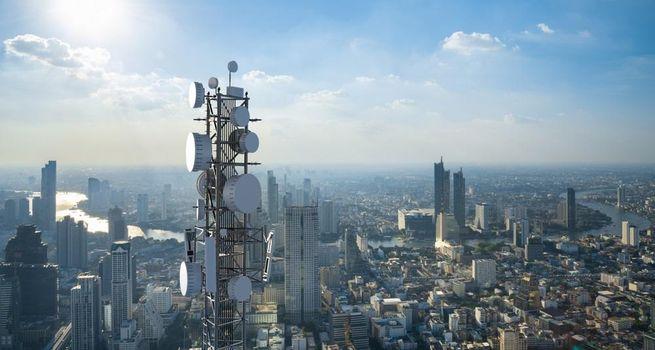
For years, BT Group (LSE:BT.A) was the FTSE 100 name many investors had quietly filed away — weighed down by a shrinking legacy business, a costly fibre build, a large pension scheme and relentless competition. In 2026, that narrative has started to shift. The roughly £18.8 billion telecoms group is approaching the finishing line of its national full-fibre rollout, and with it a long-promised inflection in free cash flow.
Full-year results published in May 2026 showed revenue of about £19.7 billion, down around 3% year on year, but adjusted EBITDA broadly flat at roughly £8.2 billion and reported profit before tax up 8% to £1.4 billion. The board raised the full-year dividend by 2% to 8.32 pence per share and set out a policy of low-to-mid single-digit annual dividend growth.
The bigger prize, according to the company, lies ahead. BT has reiterated guidance for normalised free cash flow of around £2 billion in the 2027 financial year, rising towards £3 billion by the end of the decade, as capital spending falls once Openreach completes its build of full-fibre broadband to 25 million premises — a milestone targeted for December 2026.
With the shares trading near 188p in early July 2026 and the group deep into one of the most sweeping cost-reduction programmes in the sector, the question is whether this UK telecom stock has genuinely turned a corner — or whether familiar pressures, from altnets to regulation, could yet complicate the recovery.
BT Group at a Glance: Britain’s Telecom Heavyweight
BT Group is the UK’s largest fixed-line telecommunications provider and, through EE, one of its leading mobile operators. The group has three main customer-facing pieces: Openreach, the regulated infrastructure division that builds and maintains the national access network used by hundreds of broadband providers; the Consumer division, spanning the EE and BT brands; and BT Business, which serves companies and public-sector customers.
Openreach is the strategic heart of the investment case. Industry tracking suggests its full-fibre (FTTP) network reached more than 22.5 million premises by spring 2026 — around two-thirds of the UK — with the company building at a pace of roughly one million premises per quarter. BT has committed up to £15 billion to reach 25 million premises by December 2026, and has said it then intends to push on to around 30 million by 2030 at a slower, cheaper build rate.
Under chief executive Allison Kirkby, BT has sharpened its focus on the UK, selling international assets including its Italian operations, and pursuing an ambitious efficiency agenda. Among London-listed telecommunications stocks it remains the reference name: the largest UK-focused operator on the LSE and a long-standing constituent of the FTSE 100.
The UK Telecom Landscape: Fibre, 5G and Regulation
The full-fibre endgame
The UK is now in the later stages of its copper-to-fibre transition. Openreach’s FTTP footprint covers roughly 67% of premises, and take-up on the new network — the share of homes passed that actually buy a full-fibre service — has been reported at above 38% and rising. That matters because every premises connected converts sunk build cost into recurring wholesale revenue.
Altnets: competition meets consolidation
Alternative network providers — the so-called altnets, including CityFibre, Community Fibre, Hyperoptic and Gigaclear — have collectively wired millions of premises and have taken broadband lines from Openreach, which has continued to report line losses. At the same time, many altnets face funding pressures, and industry commentary has increasingly focused on consolidation. How that shakes out could determine the intensity of wholesale price competition for years.
5G and the EE machine
On mobile, EE has been rolling out 5G standalone — the more advanced version of the technology — and the company has reported coverage reaching about two-thirds of the UK population. Convergence, bundling fixed broadband with mobile, remains central to BT’s consumer strategy in a market where headline connectivity prices are keenly fought.
Ofcom’s next five-year settlement
Regulation frames everything. Ofcom’s Telecoms Access Review will set the wholesale access and pricing rules for 2026–31, and BT has publicly engaged with the process. Previous settlements were broadly designed to encourage fibre investment; the next one will shape the returns Openreach can earn on the network it has just spent years building.
What Has Put BT Back on the Radar
The core of the renewed interest is arithmetic. Building fibre is expensive; owning a completed fibre network is not. As the FTTP build passes its December 2026 target, capital expenditure is expected to step down, and BT has guided to normalised free cash flow of around £2 billion in FY27 — versus the £1.5 billion reported for FY26 — and around £3 billion by the end of the decade. If delivered, that trajectory would comfortably underpin the dividend and leave room for faster debt reduction.
Costs are the second leg. BT announced in 2023 that its workforce would shrink from around 130,000 to between 75,000 and 90,000 by 2030, and reports indicate the group has since raised its cost-savings ambition to roughly £3 billion by the end of the decade. Ms Kirkby has suggested that artificial intelligence could allow the company to become smaller still, and legacy network closures — including the retirement of the old copper telephone system — are expected to remove further cost over time.
Then there is income. The FY26 dividend of 8.32p equates to a yield of roughly 4% at recent share prices, and the new policy points to low-to-mid single-digit annual growth until the balance sheet reaches metrics consistent with a BBB+ credit rating. For income-focused watchers of FTSE 100 telecom stocks, that combination of a stated growth path and improving cash cover is precisely what had been missing.
The balance sheet, long the bear case, has also shown movement. Net debt remains high at around £20 billion, but the pension position has improved: the accounting deficit has narrowed in recent years as scheduled contributions have gone in, reducing one of the more persistent overhangs on the equity.
Seven Things to Keep an Eye On
• The 25-million milestone — whether Openreach completes its FTTP build to 25 million premises on schedule by December 2026, and how quickly capex falls afterwards.
• Free cash flow delivery — progress towards the roughly £2 billion of normalised free cash flow guided for the 2027 financial year.
• FTTP take-up — the proportion of premises passed that convert into paying connections, recently reported above 38%.
• Openreach line losses — the pace at which broadband lines migrate to altnets, and any signs of stabilisation as altnet expansion slows.
• Ofcom’s Telecoms Access Review — the regulatory settlement for 2026–31 and its implications for wholesale pricing and Openreach returns.
• Cost programme milestones — headcount reduction, AI-driven efficiencies and delivery against the enlarged savings target.
• Debt and pension trajectory — movement in net debt of around £20 billion and the outcome of ongoing pension funding valuations.
The Risk Side of the Ledger
None of this is a done deal. The free cash flow inflection depends on capex falling as planned and on cost savings landing without disrupting service quality — and large restructurings of this scale carry genuine operational risk.
Competition has not gone away. Even if the altnet sector consolidates, a better-funded merged challenger could keep pressure on wholesale and retail pricing, while Openreach’s continued broadband line losses show that customers do switch. In mobile, the market remains crowded and price-competitive.
Regulation is a live variable. A tougher-than-expected outcome from Ofcom’s 2026–31 review could constrain the returns BT earns on its fibre investment, and political attention on consumer broadband pricing is never far away.
The balance sheet still demands respect. Net debt of about £20 billion is large relative to the group’s market value, pension contributions consume cash, and higher-for-longer interest rates would raise refinancing costs. Group revenue also fell in the latest year, a reminder that legacy declines and competitive pressure continue to offset fibre-driven growth.
Finally, sentiment can swing. BT shares have had strong runs before — including a sharp re-rating over recent years — only for enthusiasm to fade when delivery slipped. The stock’s history counsels a degree of patience and scepticism in equal measure.
Where Could BT Go From Here?
The next 18 months may be the most informative in BT’s recent history. Completion of the 25-million-premises build, the first evidence of a genuine capex step-down, and the Ofcom settlement could together tell investors whether the cash flow story is real. If free cash flow tracks towards guidance, the group could find itself with choices it has not had in a decade — faster deleveraging, quicker dividend growth, or reinvestment.
Equally, the recovery could prove slower than hoped. Line losses might persist, regulation might tighten, and cost savings might be absorbed by inflation elsewhere in the business. Analysts remain divided on the stock, and this article makes no prediction about where the share price may go. What can be said is that the milestones are now unusually concrete, and the market will be able to mark BT’s progress against them quarter by quarter.
The Bottom Line
BT Group enters the second half of 2026 with a clearer equity story than it has had for years: finish the fibre build, cut the cost base, harvest the cash. The full-year results showed a business still shrinking at the top line but improving underneath, with a modestly growing dividend and reiterated cash flow targets. For investors screening UK telecom stocks, the heavyweight of the sector has at least earned its place back on the watchlist — even if the hard part, delivery, is only now beginning.
BT Group FAQs


 Nov 16, 2026





 Please wait processing your request...