
 AU
AU
 CA
CA
 US
US
 NZ
NZ
 IND
IND

 UK
UK

 Share
Share
 X (Formerly Twitter)
 Whatsapp
 Facebook
 LinkedIn
 Telegram
 Email This Article
 Copy Link
 Summarize with AI
 Chat GPT
 Perplexity
Company Overview
Shell PLC is one of the world’s leading integrated energy companies, with operations spanning oil and gas exploration, production, refining, liquefied Natural Gas, and renewable energy solutions. The company has a diversified portfolio across Upstream, Downstream, and integrated gas segments, allowing it to navigate cycles in the energy market. Shell is also actively investing in cleaner energy technologies, including hydrogen, biofuels, and electric mobility infrastructure, as part of its long-term transition strategy.
Key Reasons Driving Recent Uptick
The recent positive momentum in Shell’s performance can be linked to several factors. Strong fundamentals in global energy markets have supported Earnings visibility, particularly in the liquefied Natural Gas segment where Demand remains robust.
Operational efficiency and disciplined Capital allocation have also contributed to improved investor confidence. The company has focused on cost optimisation and portfolio restructuring, which has enhanced margins and strengthened Cash Flow generation.
Another important Factor is Shell’s balanced approach between traditional Hydrocarbons and low-carbon energy investments. This dual strategy allows the company to benefit from near-term profitability in oil and gas while positioning itself for long-term sustainability.
Additionally, Shareholder-friendly initiatives such as Capital returns and strategic divestments have supported sentiment, reinforcing the company’s commitment to delivering value while maintaining financial discipline.
Key Growth Catalysts
Shell’s growth outlook is supported by multiple strategic drivers. One of the most significant catalysts is its Leadership in the global liquefied Natural Gas market. As Demand for cleaner-burning fuels increases, LNG is expected to play a crucial role in the transition to lower-carbon energy systems, providing Shell with a Competitive Advantage.
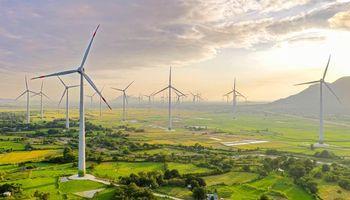
The company is also expanding its presence in renewable energy and low-carbon solutions. Investments in wind, solar, hydrogen, and carbon capture technologies are expected to contribute to Long-term Growth and align with global decarbonisation goals.
Another key growth area is its integrated Business model. By combining Upstream production with Downstream refining and Marketing, Shell can optimise margins and mitigate risks associated with Commodity price fluctuations.
Digital transformation and operational efficiency initiatives further enhance productivity and cost control, enabling the company to remain competitive in a rapidly evolving energy landscape.
Strategic portfolio optimisation, including divestment of non-core Assets and reinvestment into high-return projects, also supports sustainable growth and improved Capital efficiency.
Key Risks
Despite its strong position, Shell faces several risks. Commodity price Volatility remains a primary concern, as fluctuations in oil and gas prices can significantly impact revenues and profitability.
The transition to cleaner energy presents both opportunities and challenges. While Shell is investing in low-carbon solutions, the pace of transition and regulatory changes could affect returns on traditional hydrocarbon Assets.
Geopolitical risks are also significant, given the company’s global operations. Political instability, trade restrictions, and regulatory changes in key markets can disrupt operations and impact financial performance.
Environmental and regulatory pressures continue to intensify, with stricter emissions targets and climate policies potentially increasing compliance costs and affecting long-term strategy.
Additionally, execution risks associated with large-scale projects and new energy investments could influence performance if not managed effectively.
Valuation Overview
Shell’s valuation reflects its position as a global energy leader with strong Cash Flow generation capabilities. Compared to peers, the company often trades at a moderate valuation, supported by its diversified portfolio and consistent Earnings profile.
The company’s ability to generate robust cash flows across cycles enhances its attractiveness, particularly in uncertain macroeconomic conditions. Ongoing portfolio optimisation and cost discipline further support valuation stability.
However, valuation multiples may be influenced by market perceptions of long-term energy Demand, the pace of transition to renewables, and the company’s ability to balance profitability with sustainability goals.
A potential re-rating could occur if Shell demonstrates consistent progress in its energy transition strategy while maintaining strong financial performance.
Technical Levels (Indicative View)
From a technical perspective, Shell’s stock has exhibited a stable trend supported by strong fundamentals and sector performance.
Key support levels are likely to be found near historical consolidation zones, where buying interest has previously emerged. These levels often act as a cushion during periods of market Volatility.
On the upside, resistance may be observed near recent highs, particularly in the absence of strong catalysts. A sustained move above these levels could indicate continued bullish momentum.
Overall, the technical outlook remains constructive, with the trend supported by improving fundamentals and steady Demand for energy. However, short-term movements may be influenced by Macroeconomic Factors and Commodity price trends.
Conclusion
Shell PLC continues to demonstrate resilience as a global energy major, leveraging its integrated Business model and strong presence in both traditional and emerging energy segments. Its strategic focus on LNG, renewables, and operational efficiency positions it well for Long-term Growth. While risks related to Commodity cycles, regulatory changes, and execution remain, the company’s balanced approach provides a solid foundation for navigating the evolving energy landscape.


 Jun 05, 2026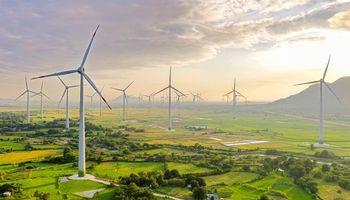



 Please wait processing your request...