
 CA
 NZ
 US
 AU
 IND

 UK

 Share
 X (Formerly Twitter)
 Whatsapp
 Facebook
 LinkedIn
 Telegram
 Email This Article
 Copy Link
 Summarize with AI
 Chat GPT
 Perplexity
What Are the Key Takeaways for LSE:DELT – Deltic Energy in May 2026?
- LSE:DELT surged approximately 32.5% on 7 May 2026 amid renewed speculative buying in UK small-cap energy shares.
• Rising geopolitical tensions involving the US, Iran, and Israel continue supporting long-term energy security themes globally.
• UK North Sea gas exploration sentiment has improved as Europe remains focused on domestic energy resilience.
• Deltic Energy remains a highly speculative AIM-listed exploration company with elevated Volatility and Liquidity risks.
• Investors are closely watching future operational updates related to North Sea licence developments and funding visibility.
• The broader FTSE energy sector has benefited from Commodity price volatility and renewed focus on European gas security.
• Dividend visibility remains weak because the company is still focused on exploration-led growth rather than Shareholder distributions.
Why Is LSE:DELT – Deltic Energy Stock Trading Up 32.5% Today on 7 May 2026?
LSE:DELT has emerged as one of the strongest movers in the UK AIM energy segment today after a sharp speculative rally of roughly 32.5% during trading on 7 May 2026. The surge appears linked to a combination of improving sentiment toward UK Natural Gas exploration companies, heightened geopolitical tensions in the Middle East, and renewed retail investor interest in undervalued penny energy stocks listed on the London Stock Exchange.
The latest rally in Deltic Energy comes as global investors continue monitoring escalating geopolitical developments involving the United States, Iran, and Israel. Oil and gas markets remain extremely sensitive to Supply disruption risks across the Middle East, particularly regarding shipping routes, sanctions, and broader regional instability. Even though Deltic Energy is a UK-focused North Sea exploration company rather than a Middle Eastern producer, energy security themes are driving speculative inflows into smaller UK exploration stocks.
Another major Factor supporting the move appears to be renewed appetite for highly leveraged micro-cap energy plays. Deltic Energy has a relatively small Market Capitalisation and limited free float, meaning relatively small buying activity can create significant percentage price swings. The stock has historically displayed elevated volatility characteristics common within the FTSE AIM energy sector.
The broader UK energy exploration sector has also benefited from improving long-term sentiment around domestic gas production. European policymakers continue prioritising energy independence following years of supply chain disruptions and geopolitical uncertainty. That backdrop has increased investor attention toward North Sea exploration Assets and future UK gas production opportunities.
What Does Deltic Energy’s Business Model Look Like in 2026?
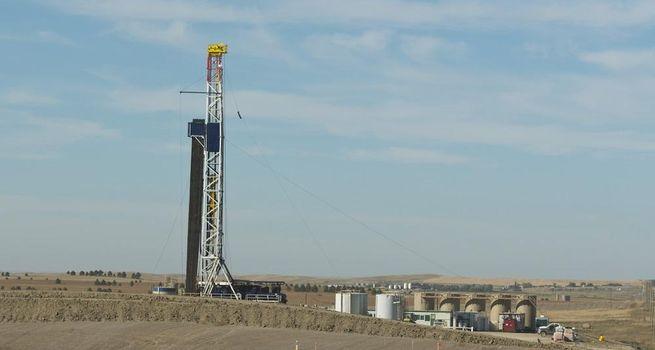
Deltic Energy operates as a UK-focused natural resources and offshore exploration company primarily targeting gas and oil opportunities in the Southern and Central North Sea. The company focuses on identifying, developing, and monetising exploration licences through partnerships, farm-outs, and drilling programmes.
Its portfolio includes interests in exploration licences such as Selene, Blackadder, and Dewar. The company’s strategy revolves around maintaining exposure to potentially high-value discoveries while controlling Capital intensity through partnerships with larger operators. This model is common among AIM-listed exploration firms seeking upside exposure without assuming full development costs.
Deltic Energy’s Investment case remains heavily tied to exploration success, commercial discoveries, funding availability, and broader commodity price conditions. Unlike integrated energy majors generating steady production cash flows, Deltic remains an early-stage exploration-led business with higher uncertainty but potentially asymmetric upside.
How Are the Latest US-Iran-Israel Developments Affecting UK Energy Stocks?
The latest geopolitical tensions involving the US, Iran, and Israel continue influencing commodity prices and global risk sentiment. Investors remain concerned about potential disruptions to Middle Eastern oil exports, tanker movements, and regional infrastructure stability. These concerns typically support higher oil and gas price expectations globally.
For UK energy companies, especially smaller exploration names, geopolitical tensions often improve speculative momentum because investors anticipate stronger long-term energy pricing and greater European emphasis on local production security.
The United Kingdom and Europe remain highly focused on reducing reliance on external energy sources after years of supply shocks. As a result, companies involved in North Sea exploration and domestic gas supply development continue attracting renewed investor interest despite operational and regulatory challenges.
However, geopolitical volatility also increases market uncertainty. If tensions escalate materially, broader Equity markets could experience risk-off selling pressure, which may negatively affect smaller speculative stocks despite stronger commodity prices.
What Is Happening Across the FTSE 100, FTSE 250, UK Economy, and GBP Markets?
The FTSE 100 has recently benefited from its heavy weighting toward commodity-linked companies, oil majors, Mining groups, and defensive global businesses. Energy stocks have outperformed many broader Market sectors during periods of commodity volatility.
Meanwhile, the FTSE AIM market remains more volatile, with smaller-cap exploration and technology names experiencing aggressive swings based on sentiment, liquidity, and macroeconomic expectations.
The UK economy continues facing mixed conditions in May 2026. Inflation pressures have moderated compared with prior years, but economic growth remains uneven. Investors continue analysing Bank of England Interest Rate expectations, consumer Demand trends, and Fiscal Policy direction.
The British pound has remained relatively stable against the US dollar recently, though ongoing energy market volatility and interest rate differentials continue influencing GBP performance. A stable pound generally helps reduce imported inflation pressures, although energy price spikes can still affect UK inflation expectations.
For Deltic Energy specifically, macroeconomic conditions matter because financing conditions and investor risk appetite directly influence smaller-cap exploration stocks. Lower interest rates or improved commodity prices could support future funding flexibility and sector sentiment.
What Are the Latest Sector Drivers Supporting UK Oil and Gas Exploration Stocks?
Several major themes are currently driving UK exploration and energy stocks higher in 2026.
Energy security remains one of the strongest structural drivers. Governments and investors increasingly support domestic production capacity to reduce external dependence.
Natural gas continues being viewed as an important transition fuel during the broader global shift toward renewable energy infrastructure. That creates continued relevance for North Sea gas exploration businesses.
Commodity market volatility is also boosting investor attention toward exploration names with potentially high operational Leverage to future discoveries.
Another important driver is speculative retail participation. AIM-listed energy shares frequently attract momentum traders during commodity rallies, leading to outsized short-term price movements.
Does Deltic Energy Have a Dividend Outlook or Upcoming Ex-Dividend Date?
Currently, Deltic Energy does not appear positioned as an income-focused dividend stock. The company remains exploration-oriented and prioritises operational investment, licensing activity, and capital management over shareholder distributions.
No meaningful upcoming ex-dividend date is currently expected because the company is still focused on growth and exploration execution rather than mature Cash Flow generation.
Investors in Deltic Energy are therefore primarily seeking capital appreciation potential rather than dividend income.
What Is the Latest Technical and Valuation Analysis for LSE:DELT?
From a technical perspective, today’s 32.5% rally represents a significant momentum breakout move for Deltic Energy shares. Sharp Volume-driven spikes in AIM-listed exploration stocks often indicate speculative Momentum Trading combined with sector-wide energy sentiment improvements.
The stock has historically traded with elevated volatility and wide trading ranges. Technical traders will likely watch whether the current rally sustains above previous resistance zones or fades following profit-taking activity.
Valuation analysis remains difficult because Deltic Energy is not a mature cash-generating producer. Traditional valuation metrics such as P/E ratios are less meaningful for exploration-stage businesses.
Instead, investors typically value such companies based on licence potential, exploration upside, Partnership quality, funding runway, and future commercialisation probabilities.
The current market capitalisation still reflects substantial operational risk, but bulls argue the upside from successful discoveries could significantly exceed current valuations.
How Does Deltic Energy Compare With UK Energy Sector Peers?
Compared with larger UK energy producers, Deltic Energy remains far more speculative and sensitive to exploration outcomes.
Major integrated energy firms benefit from diversified cash flows, refining operations, dividends, and global asset portfolios. Deltic instead offers pure-play exploration leverage with considerably higher volatility.
Relative to other AIM-listed exploration companies, Deltic’s appeal lies in its North Sea exposure and leverage to UK gas security themes. However, it also faces the same challenges common to small-cap explorers, including financing risk, regulatory uncertainty, drilling risk, and market liquidity constraints.
What Is the ESG Outlook for Deltic Energy?
Environmental, social, and governance considerations remain increasingly important across the energy sector.
Deltic Energy operates within the controversial but strategically important oil and gas exploration industry. ESG-focused investors may remain cautious toward fossil fuel exposure, especially regarding long-term climate transition risks.
However, some investors argue domestic UK gas production could reduce reliance on higher-emission imported energy sources during the transition period toward cleaner energy systems.
The company’s long-term ESG perception will likely depend on operational transparency, environmental management standards, emissions strategies, and alignment with evolving UK climate policies.
What Are the Key Risks Investors Should Watch Closely?
Investors should recognise that Deltic Energy remains a high-risk speculative AIM stock.
Key risks include exploration failure, funding constraints, regulatory challenges, commodity price volatility, operational delays, dilution risk, and broader market sentiment weakness.
Liquidity Risk is also important. Smaller-cap AIM shares can experience extreme price swings during both rallies and selloffs.
Additionally, any major decline in oil or natural gas prices could quickly reverse speculative buying momentum across the UK exploration sector.
What Is the Bull and Bear Case Scenario Analysis for LSE:DELT?
Bull case factors include stronger natural gas prices, positive exploration updates, improved North Sea sentiment, increased European energy security demand, and renewed retail momentum across AIM energy stocks.
Bear case factors include operational setbacks, financing concerns, declining commodity prices, geopolitical de-escalation reducing energy risk premiums, and broader equity market weakness affecting speculative sectors.
The bullish scenario assumes Deltic successfully advances its exploration portfolio while benefiting from stronger long-term UK gas demand dynamics.
The bearish scenario assumes continued funding pressure and limited commercial progress within a challenging regulatory and commodity environment.
What Forward-Looking Strategies Could Investors Consider for Short, Medium, and Long-Term Horizons?
Short-term traders may continue focusing on momentum-driven volatility, technical breakout patterns, and commodity market headlines. However, sharp reversals remain possible after aggressive rallies.
Medium-term investors may monitor operational announcements, exploration progress, funding developments, and broader UK energy policy trends over the next six to twelve months.
Long-term investors should evaluate whether Deltic can transition from a speculative exploration story into a commercially viable energy business with sustainable asset monetisation opportunities.
Portfolio sizing discipline remains critical because exploration stocks inherently carry elevated risk profiles.
Is LSE:DELT Looking Bullish, Bearish, or Neutral?
Short term, the stock currently appears bullish from a momentum perspective following today’s strong rally and improving sentiment toward UK energy exploration shares.
Medium term, the outlook remains neutral-to-bullish depending on commodity prices, North Sea developments, and operational execution.
Long term, the investment case remains highly speculative. Successful exploration outcomes could create meaningful upside potential, but the risks remain substantial given the company’s size and exploration-stage profile.
The stock therefore appears best suited for higher-risk investors comfortable with volatility and speculative energy exposure.
What Is the Final Investment Conclusion for Deltic Energy in May 2026?
Deltic Energy has become one of the standout UK AIM energy movers today after a powerful 32.5% rally driven by improving energy sector sentiment, geopolitical tensions, and speculative momentum buying.
The company offers exposure to UK North Sea gas exploration themes at a time when energy security remains globally important. Rising Middle East tensions involving the US, Iran, and Israel continue supporting broader commodity market volatility and investor interest in domestic energy plays.
However, Deltic Energy remains a speculative exploration company rather than a stable dividend-paying producer. Investors must balance the potential upside from exploration success against significant operational, financial, and market risks.
For aggressive investors seeking high-risk energy exposure, the stock may continue attracting attention during periods of commodity strength and geopolitical uncertainty. Conservative investors, however, may prefer larger diversified energy companies with stronger balance sheets and established cash flows.


 Nov 26, 2026





 Please wait processing your request...