
 AU
AU
 CA
CA
 US
US
 NZ
NZ
 IND
IND

 UK
UK

 Share
Share
 X (Formerly Twitter)
 Whatsapp
 Facebook
 LinkedIn
 Telegram
 Email This Article
 Copy Link
 Summarize with AI
 Chat GPT
 Perplexity
_05_13_2026_06_47_54_430447.jpg)
Britain’s Green Energy Ambitions Are Colliding With Economic Reality
The UK’s energy transition is entering one of its most difficult and politically explosive phases as global instability, rising energy costs and economic pressure force Britain to rethink how it balances climate goals with national energy security.
For years, Britain positioned itself as one of the world’s leading advocates of:
- Net-zero policies
- Offshore wind expansion
- Renewable energy Investment
- Carbon reduction targets
- Green infrastructure development
But in 2026, the situation has become far more complicated.
The combination of:
- Iran-Israel tensions
- Rising oil prices
- Inflation pressure
- Weak economic growth
- Political instability
- Grid infrastructure stress
is creating enormous pressure on Britain’s energy system.
The result is a growing national debate around:
- Energy affordability
- Security of Supply
- Fossil fuel dependence
- Green investment priorities
- Industrial competitiveness
Energy policy is no longer simply an environmental issue.
It has become one of the central economic and political battles shaping Britain’s future.
The Middle East Crisis Has Triggered Fresh Energy Security Fears
The biggest development affecting Britain’s energy outlook is the escalating geopolitical instability involving Iran and the broader Middle East.
Global oil prices recently surged above $100 per barrel as fears intensified around:
- Shipping disruptions
- Strait of Hormuz risks
- Regional military escalation
- Global energy supply shocks
This matters enormously for Britain because the UK economy remains highly exposed to global energy markets despite years of renewable investment.
Higher oil and gas prices affect:
- Inflation
- Transport costs
- Manufacturing
- Consumer spending
- Electricity pricing
- Business confidence
The recent energy shock is reminding policymakers that Britain still depends heavily on fossil fuel stability even while pursuing long-term decarbonization goals.
Energy security has suddenly become a top national priority again.
Inflation Is Rising Again Because of Energy Costs
Energy-driven inflation is becoming one of the biggest threats facing Britain’s economy in 2026.
The recent surge in fuel and transportation costs is already feeding through into:
- Food prices
- Logistics costs
- Manufacturing expenses
- Household Utility bills
This is creating renewed pressure on the Bank of England because inflation risks are rising again just as the economy slows.
Consumers are already struggling with:
- Mortgage pressure
- Weak wage growth
- Higher living costs
- Expensive borrowing conditions
Another major energy-driven inflation wave could significantly worsen Britain’s broader economic slowdown.
The energy transition debate is therefore becoming closely tied to inflation management and economic stability.
Labour Faces a Major Energy Policy Balancing Act
Prime Minister Keir Starmer and Chancellor Rachel Reeves are facing growing pressure over Britain’s energy strategy.
Labour strongly supports:
- Renewable energy expansion
- Net-zero targets
- Green infrastructure
- Clean Technology investment
However, rising energy insecurity is forcing the government to balance climate ambitions against immediate economic realities.
Several major debates are now dominating British politics:
- North Sea oil and gas production
- Windfall taxes
- Nuclear expansion
- Grid investment
- Household energy affordability
The government is trying to convince voters that Britain can simultaneously:
- Lower emissions
- Improve energy security
- Reduce costs
- Support economic growth
That challenge is becoming increasingly difficult.
Offshore Wind Remains Central to Britain’s Strategy
Despite recent turbulence, offshore wind remains one of Britain’s most important long-term energy priorities.
The UK continues ranking among the world’s largest offshore wind markets and sees renewable power as critical for:
- Energy independence
- Climate goals
- Industrial growth
- Electricity stability
Major investment continues flowing into:
- Offshore wind farms
- Transmission infrastructure
- Battery storage
- Smart grid systems
Britain hopes renewable expansion will eventually reduce long-term dependence on volatile fossil fuel imports.
However, infrastructure bottlenecks and rising financing costs are slowing progress in several projects.
Nuclear Energy Is Returning to the Center of Debate
One of the most significant shifts in 2026 is the growing political support for nuclear power.
Policymakers increasingly view nuclear energy as:
- A stable domestic electricity source
- A long-term energy security solution
- A low-carbon baseload technology
Britain is now accelerating plans linked to:
- Small modular reactors
- Nuclear infrastructure
- Grid modernization
- Advanced reactor technology
Supporters argue nuclear power can provide reliable electricity during periods when renewable generation fluctuates.
Critics remain concerned about:
- Construction costs
- Delays
- Waste management
- Long-term Financial Risk
Even so, nuclear energy is rapidly returning to the center of Britain’s energy strategy.
North Sea Oil and Gas Are Back in Focus
The energy crisis has reignited fierce debate around North Sea oil and gas production.
Supporters argue Britain should increase domestic fossil fuel output to improve:
- Energy security
- Employment
- Tax Revenue
- Supply stability
Environmental groups continue warning that expanding oil and gas production conflicts with Britain’s climate commitments.
However, geopolitical instability is shifting political sentiment.
Many policymakers now fear Britain became too dependent on imported energy supplies after years of declining domestic production.
The North Sea debate is therefore becoming one of the most politically sensitive economic issues in the country.
Britain’s Electricity Grid Is Under Pressure
Another major challenge facing the energy transition is Britain’s aging electricity infrastructure.
The rapid expansion of:
- Renewable energy
- Data centers
- Electric vehicles
- AI computing systems
is placing enormous strain on grid capacity.
Several analysts now warn grid modernization may become one of the largest infrastructure challenges Britain faces during the next decade.
Without major upgrades, the country risks:
- Electricity bottlenecks
- Higher energy costs
- Supply instability
- Delayed green investment
The transition to clean energy therefore requires far more than simply building wind farms.
Britain must redesign large parts of its entire energy system.
AI Expansion Is Increasing Electricity Demand
Artificial intelligence is becoming an unexpected driver of energy demand growth.
AI data centers consume enormous amounts of electricity because of:
- Advanced computing systems
- Cloud infrastructure
- High-performance processors
- Cooling requirements
Britain’s ambition to become a global AI leader is therefore directly increasing pressure on the national power grid.
The government now faces a difficult challenge:
How can Britain simultaneously:
- Expand AI infrastructure
- Electrify transportation
- Decarbonize industry
- Maintain affordable energy
The energy transition is becoming increasingly interconnected with Britain’s technology strategy.
Households Are Struggling With Energy Affordability
The cost-of-living crisis remains deeply connected to energy prices.
Millions of households continue facing pressure from:
- Utility bills
- Fuel prices
- Heating costs
- Transportation expenses
Energy affordability is becoming politically explosive because voters increasingly associate:
- Inflation
- Economic stress
- Falling living standards
with energy policy failures.
Public support for climate action remains relatively strong, but tolerance for higher energy costs is weakening sharply.
This creates a difficult political environment for policymakers.
British Industry Is Worried About Competitiveness
Manufacturers and industrial firms are increasingly concerned about Britain’s energy competitiveness.
High electricity and gas prices continue affecting sectors including:
- Chemicals
- Steel
- Engineering
- Construction materials
- Advanced manufacturing
Several business groups warn Britain risks losing industrial investment if energy costs remain persistently higher than competing economies.
The government is therefore under pressure to ensure the energy transition does not damage:
- Manufacturing output
- Employment
- Investment competitiveness
This tension between climate policy and industrial Economics is becoming more intense.
Investors Are Pouring Into Green Infrastructure
Despite current uncertainty, investment in Britain’s clean energy sector remains extremely strong.
Institutional investors continue targeting:
- Renewable infrastructure
- Battery storage
- Green hydrogen
- Carbon capture
- Grid modernization
Many investors still believe the global transition toward low-carbon energy is irreversible over the long term.
Britain remains attractive because of:
- Strong legal systems
- Established energy markets
- Offshore wind expertise
- Financial infrastructure
Green energy investment therefore continues accelerating even during broader economic instability.
Energy Stocks Are Becoming Increasingly Strategic
Traditional energy companies are also transforming rapidly.
Major firms including:
- Shell plc
- BP
are attempting to balance:
- Fossil fuel profitability
- Renewable expansion
- Shareholder returns
- Political pressure
These firms remain enormously important to Britain’s:
- Pension funds
- Stock market
- Tax revenues
- International investment flows
The future direction of Britain’s energy giants is therefore becoming strategically important for the broader economy.
Could Britain Achieve Its Net-Zero Goals?
Britain still officially remains committed to long-term net-zero targets.
However, the path toward those goals is becoming increasingly uncertain because of:
- Rising financing costs
- Political pressure
- Global instability
- Infrastructure constraints
- Energy affordability concerns
Several analysts now believe Britain may need to adjust timelines or policy approaches while maintaining overall decarbonization ambitions.
The transition is proving far more economically and politically complex than many originally expected.
Energy Has Become the Central Economic Question of 2026
The UK energy debate now sits at the center of nearly every major national challenge:
- Inflation
- Economic growth
- Industrial competitiveness
- Political stability
- National security
- Climate policy
Britain is attempting one of the most ambitious energy transformations in the developed world during a period of extraordinary global instability.
The outcome may shape:
- Household living standards
- Industrial competitiveness
- Investment flows
- Political stability
- Britain’s long-term economic future
The energy transition is no longer simply about climate policy.
It has become one of the defining economic tests of modern Britain.


 Jun 05, 2026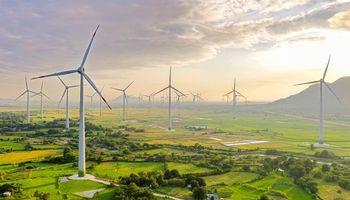



 Please wait processing your request...