
 AU
AU
 CA
CA
 US
US
 NZ
NZ
 IND
IND

 UK
UK

 Share
Share
 X (Formerly Twitter)
 Whatsapp
 Facebook
 LinkedIn
 Telegram
 Email This Article
 Copy Link
 Summarize with AI
 Chat GPT
 Perplexity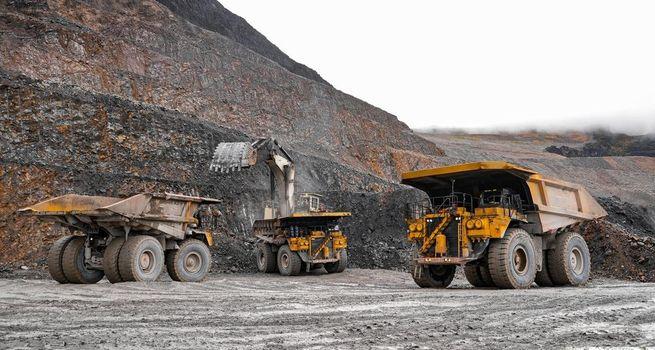
Glencore plc recorded 5,910,313 shares traded on 2 March 2026, ranking as the eighth most actively traded stock within the FTSE 100. Alongside a 0.86% share price increase, the company featured among both the day’s top gainers and highest volume leaders. The strong turnover signals broad institutional engagement in commodity-linked equities, supported by firmer energy prices, resilient metals demand, and continued investor focus on the global energy transition — particularly in strategic materials such as copper.
Commodity Trading Volumes and Price Discovery
Glencore’s dual role as a global miner and the world’s largest physical commodities trader places it at the centre of global price formation. For institutional investors seeking diversified commodity exposure, Glencore often serves as a liquid proxy, offering access to copper, zinc, nickel, coal, and energy markets through a single listed equity.
The elevated trading activity on 2 March indicates that portfolio managers were actively recalibrating commodity allocations, potentially in response to strengthening oil prices and constructive signals across industrial metals markets.
Copper Supply Deficit and Energy Transition
Heightened trading interest may also reflect increasing focus on the structural copper supply imbalance. Massive investment in renewable power generation, electric vehicles, battery storage, and grid expansion is expected to drive sustained demand growth. Meanwhile, new copper supply faces long development cycles, permitting complexities, and capital constraints.
As one of the largest global copper producers, Glencore is strategically positioned to benefit from tightening supply-demand dynamics, reinforcing its appeal to investors seeking exposure to the energy transition theme.
The Coal Debate and ESG Flows
Glencore’s continued involvement in thermal coal production remains a significant factor influencing investor positioning. ESG-oriented funds may reduce exposure due to environmental considerations, while value-focused or income-oriented investors may view coal cash flows as attractive
This divergence of opinion can contribute to heightened trading volumes, as opposing institutional strategies intersect. Given the ongoing ESG scrutiny surrounding coal assets, above-average liquidity may remain a structural characteristic of the stock.
Institutional Positioning and Outlook
The 5.9 million shares exchanged on a day of moderate price appreciation suggest relatively balanced buying and selling interest. Unlike sectors experiencing concentrated sell-side pressure, the commodity space appears to be attracting steady institutional engagement in the current market backdrop.
For UK retail investors, Glencore’s substantial liquidity supports efficient trade execution, whether building or trimming positions.
Volume Analysis Summary
Glencore’s presence among both the top risers and most actively traded stocks on 2 March 2026 highlights strong institutional participation in commodity exposure. Its integrated mining and trading model, substantial copper footprint, and ongoing ESG-related debate surrounding coal ensure it remains one of the most closely followed and frequently traded names in the FTSE 100.


 Jun 05, 2026




 Please wait processing your request...