
 AU
AU
 CA
CA
 US
US
 NZ
NZ
 IND
IND

 UK
UK

 Share
Share
 X (Formerly Twitter)
 Whatsapp
 Facebook
 LinkedIn
 Telegram
 Email This Article
 Copy Link
 Summarize with AI
 Chat GPT
 Perplexity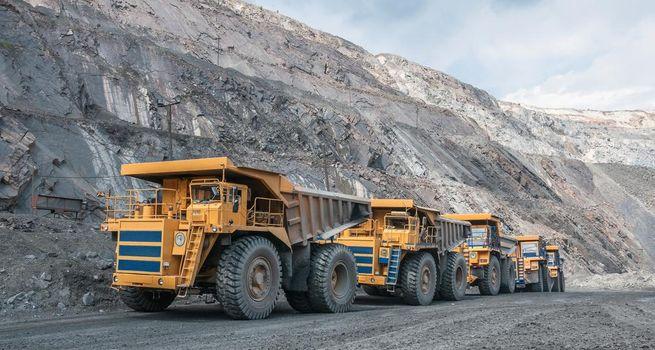
What Happened To LSE:BRWM Shares On June 5, 2026?
BlackRock World Mining Trust PLC was among the weaker performers in the UK Investment trust sector on June 5, 2026 after shares declined approximately 5.88%.
The trust's decline reflected broad weakness across global mining equities as investors reduced exposure to cyclical sectors amid concerns regarding global economic growth, Commodity Demand trends and heightened geopolitical uncertainty.
Unlike individual mining companies, BRWM provides diversified exposure to multiple global mining and commodity producers, making it a useful barometer of overall sentiment toward the mining sector.
The selloff suggests investors were becoming increasingly cautious toward resource equities despite favorable long-term fundamentals for many commodities.
Why Did Mining Investment Trusts Come Under Pressure?
Several factors weighed on sentiment.
Investors remain concerned about:
- China economic growth
- Global Manufacturing activity
- Commodity price Volatility
- Interest-rate expectations
- Geopolitical uncertainty
- Mining sector valuations
- Global Recession concerns
- Industrial demand trends
As a diversified mining investment trust, BRWM naturally reflects broad investor sentiment toward the resource sector rather than any single commodity.
Why Does BRWM Matter To Investors?
The trust provides exposure to some of the world's largest mining companies involved in:
- Copper
- Gold
- Silver
- Iron ore
- Lithium
- Nickel
- Uranium
- Energy transition metals
This diversified exposure allows investors to participate in long-term commodity themes while reducing company-specific operational risk.
How Are Global Commodity Markets Performing In 2026?
Commodity markets remain heavily influenced by structural growth themes.
Demand continues being supported by:
- Artificial intelligence infrastructure
- Data centre construction
- Renewable energy projects
- Electric vehicle adoption
- Power grid expansion
- Defence spending
- Industrial modernization
However, short-term economic concerns continue creating volatility across commodity prices and mining shares.
How Are US, Iran, Israel And Middle East Tensions Affecting BRWM?
Geopolitical uncertainty remains a major market driver.
Tensions involving:
- United States
- Iran
- Israel
- Middle East energy markets
continue influencing investor sentiment.
Commodity markets often benefit from Supply concerns during geopolitical instability. However, Equity investors frequently reduce exposure to cyclical sectors when uncertainty rises.
This mixed environment contributed to weakness across mining-related investments.
What Commodities Are Investors Watching Most Closely?
The most important commodities currently include:
- Copper
- Gold
- Silver
- Lithium
- Uranium
- Iron ore
- Nickel
- Rare earth minerals
Each commodity plays a critical role in global infrastructure, energy transition and industrial growth themes.
Future price movements will significantly influence mining sector valuations.
How Does BRWM Compare With Direct Mining Investments?
Compared with owning individual mining stocks, BRWM offers:
- Diversification
- Professional management
- Commodity exposure
- Global mining participation
- Reduced single-asset risk
Potential drawbacks include:
- Reduced upside from individual winners
- Exposure to sector-wide weakness
- Discount or premium fluctuations
Many investors use mining trusts as a diversified way to access long-term commodity trends.
What Is The Dividend Outlook?
Mining investment trusts have historically generated attractive income through exposure to cash-generative mining companies.
Future dividend performance will depend on:
Income-focused investors continue monitoring dividend sustainability closely.
What Does Technical Analysis Suggest?
The 5.88% decline reflects weakening near-term momentum.
Technical investors are monitoring:
- Commodity sector trends
- Support levels
- Trading volumes
- Mining index performance
Long-term investors remain more focused on commodity fundamentals and portfolio quality.
What Upcoming Catalysts Could Influence The Stock?
Investors should monitor:
- China economic data
- Commodity price movements
- Mining company earnings
- Infrastructure spending announcements
- Interest-rate decisions
- Energy transition investments
- Geopolitical developments
These factors could significantly influence mining sector sentiment.
What Is The Bull Case For LSE:BRWM?
Supporters believe:
- Copper demand will increase
- Gold remains supported
- AI infrastructure spending will accelerate
- Energy transition investment will continue
- Mining companies remain undervalued
- Commodity supply shortages may emerge
These factors could support long-term portfolio growth.
What Is The Bear Case For LSE:BRWM?
Risks include:
- Global economic slowdown
- Commodity price weakness
- China demand concerns
- Mining cost Inflation
- Geopolitical instability
- Interest-rate pressures
These challenges could continue weighing on the sector.
What Is The Short-Term, Medium-Term And Long-Term Outlook?
Short-term outlook remains Neutral to Bearish due to global market volatility.
Medium-term outlook remains Neutral to Positive as commodity demand remains resilient.
Long-term outlook remains Constructive because global electrification, AI infrastructure growth and energy transition investments continue supporting demand for critical resources.
What Is The Final Investment Conclusion For LSE:BRWM?
The 5.88% decline on June 5, 2026 appears primarily driven by broader weakness across mining equities rather than any significant deterioration in the trust's underlying investment thesis.
BlackRock World Mining Trust continues offering diversified exposure to some of the world's most important commodity themes. While volatility may remain elevated, long-term investors continue focusing on structural demand growth across copper, precious metals, energy transition minerals and industrial commodities.


 Jun 08, 2026

 Please wait processing your request...