Kalkine's Global Tariff Report offers independent, data-driven analysis of key global sectors impacted by tariff adjustments. It evaluates the potential implications these changes may have for equity valuations within those industries. The report prioritizes trade-sensitive sectors, which typically face increased investor scrutiny during periods of tariff uncertainty, while also identifying defensive and countercyclical segments that demonstrate resilience or potential for outperformance amidst global trade disruptions.
As illustrated in the table below, several key sectors in different countries are directly impacted by the recent tariff announcement from President Trump.
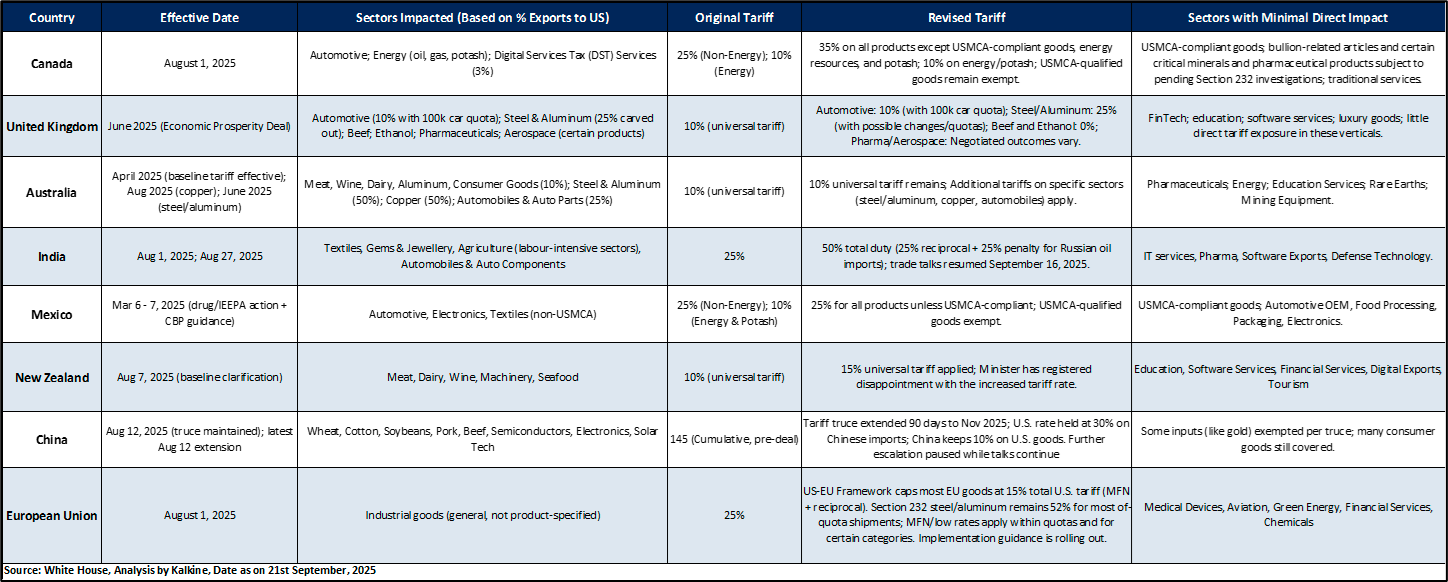

Key Developments (as of September 21, 2025)
Canada
- Tariff Increase: On July 31, President Trump signed an executive order increasing tariffs on Canadian imports from approximately 25% to 35%, effective August 1.
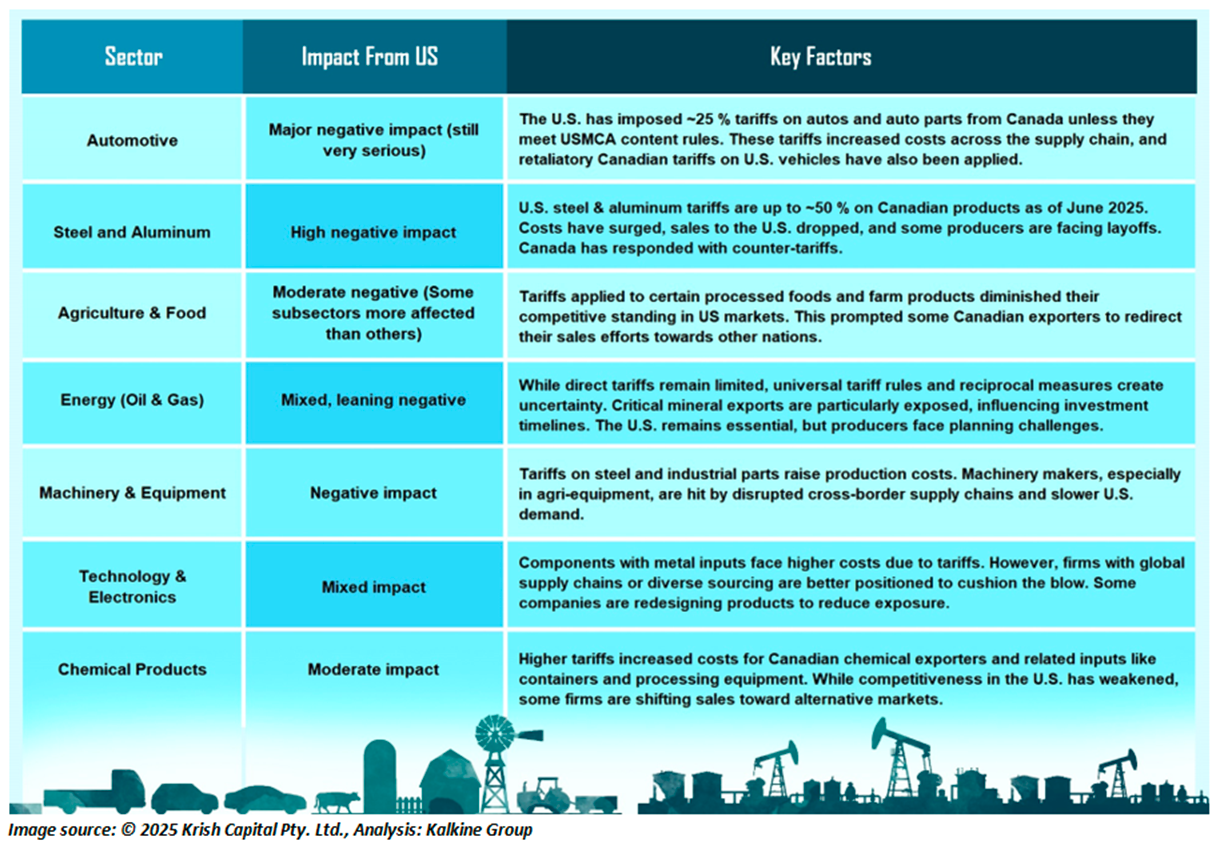
- Canada’s Response: Starting September 1, Canada removed retaliatory tariffs on U.S. goods covered under the USMCA, aligning with U.S. exemptions. However, Canada maintains ~25% tariffs on autos, steel, and aluminum. Over ~85% of Canada - U.S. trade remains tariff-free due to USMCA provisions.
- Diplomatic Efforts: Canada is strengthening ties with Mexico to reduce economic dependency on the U.S., launching the "Canada–Mexico Action Plan" to deepen cooperation in trade sectors such as infrastructure, energy, and agriculture.
India
- Tariff Increase: Effective August 27, the U.S. imposed an additional ~25% tariff on Indian goods, bringing the total to ~50%. This targets India’s continued imports of Russian oil and is applied under the IEEPA framework.
- Scope: Approximately USD ~48.2 billion of Indian goods exported to the U.S. are subject to this full ~50% tariff.
- Strategic Pushback: India is thawing relations with China and moving toward greater regional autonomy. Meanwhile, Vice President Vance confirmed the tariff applies “secondary tariffs” to pressure Russia economically.
- Economic Impact: India's exports to the U.S. are showing signs of further decline as September marks the first full month under 50% tariffs.
China
- Tariff Truce Extension: On August 11, the U.S. extended its tariff truce with China for another 90 days, blocking any sudden increase to previously threatened levels (~145%). The suspension lasts until November 10, 2025.
- Current Tariffs: Chinese goods still face the temporary ~30% tariff, with no new hikes for the time being.
European Union
- Tariff Framework Agreement: As of August 21, the U.S. and EU agreed to a cap, a total tariff (MFN + reciprocal + Section 232 where applicable) won’t exceed ~15% on most EU-origin goods. Certain sectors (like autos, semiconductors, pharmaceuticals, lumber) are specifically included.
- Cars and Quotas: The U.S. will maintain a ~27.5% tariff on European cars and parts until the EU passes legislation lowering its own tariffs on American goods.
- Most EU Goods: Now face a flat ~15% maximum tariff under the new framework.

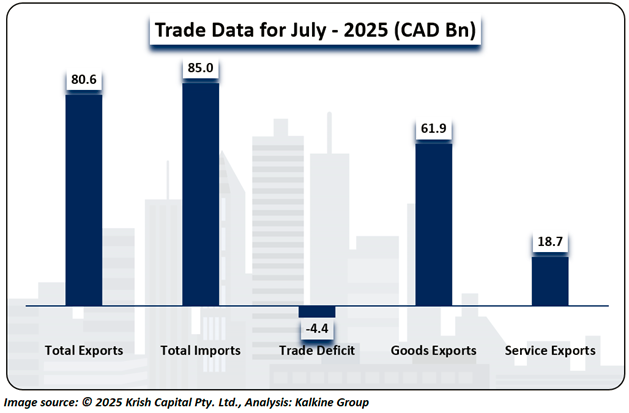
In July 2025, Canada’s merchandise exports rose 0.9% to CAD ~61.9 billion, while imports declined 0.7% to CAD ~66.8 billion. This narrowed the merchandise trade deficit from CAD ~6.0 billion in June to CAD ~4.9 billion.
- Merchandise trade: Exports of energy products (+4.2%) and motor vehicles (+6.6%) led the monthly gain, while metals and non-metallic mineral products (-8.0%) weighed on overall exports. Imports fell primarily due to a drop in industrial machinery shipments (-18.8%) following a one-time high-value import in June. Excluding this, imports rose 2.2%.
- Trade with the United States: Exports to the U.S. increased 5.0%, while imports fell 2.2%. Canada’s trade surplus with the U.S. widened from CAD ~3.7 billion in June to CAD ~6.7 billion, the largest surplus since March 2025.
- Trade with other countries: Exports to non-U.S. countries declined 8.6%, while imports increased 1.3%, widening Canada’s trade deficit with these countries from CAD ~9.7 billion in June to CAD ~11.7 billion.
- Services trade: Service exports rose 2.6% to CAD ~18.7 billion, while imports fell 1.3% to CAD ~18.2 billion.
Overall, rising exports of energy and vehicles, combined with lower imports, helped reduce Canada’s total trade deficit to CAD ~4.4 billion. Weak metals exports and uneven non-U.S. trade kept the recovery in merchandise trade uneven across sectors.



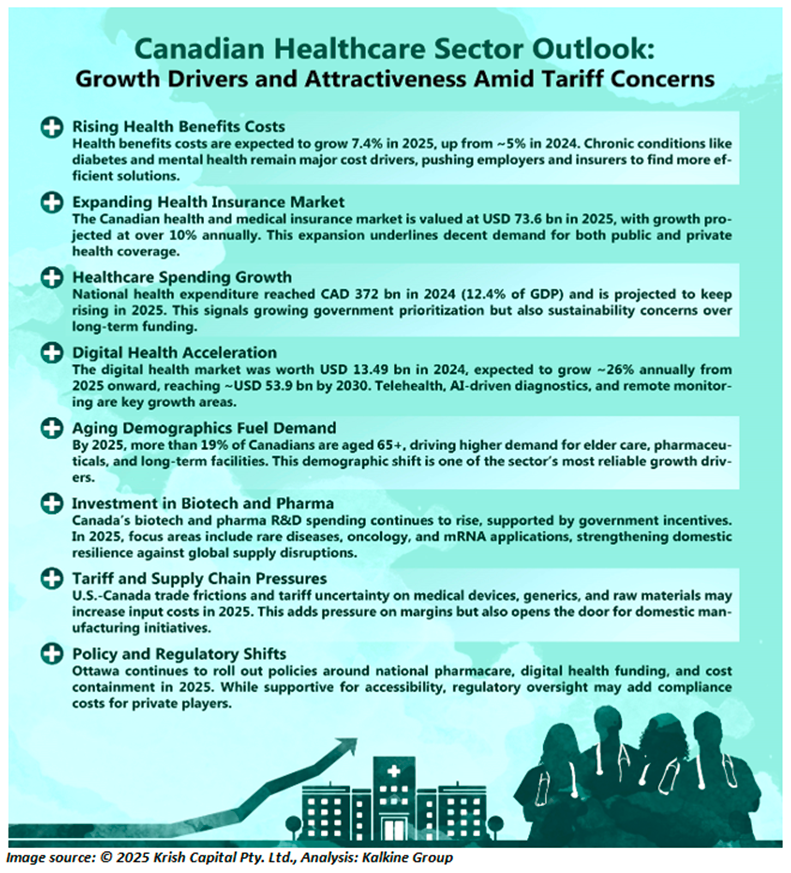
Amid elevated Market Volatility and Tariff pressures, Bausch Health Companies Inc. (TSX: BHC) stands out as our defensive pick within the Healthcare sector, supported by rigorous fundamental and technical research.
Section1: Company Overview and Fundamental Insights:

Bausch Health Companies Inc. (TSX: BHC) is a global company that develops manufactures and markets a range of pharmaceutical medical device and over-the-counter products primarily in the therapeutic areas of eye health gastroenterology and dermatology.
Kalkine’s Global Tariff Report covers the Investment Highlights, Key Financial Metrics, Risks, Technical Analysis along with the Valuation, Target Price, and Recommendation on the stock.
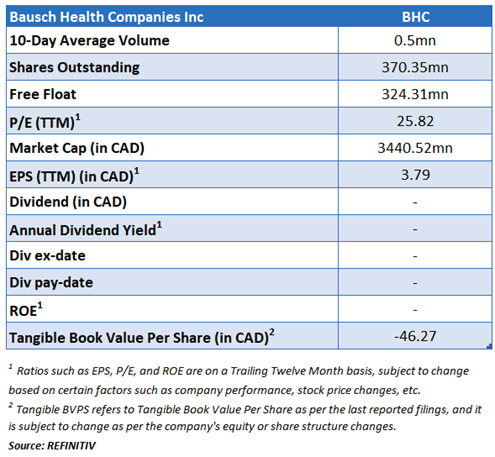


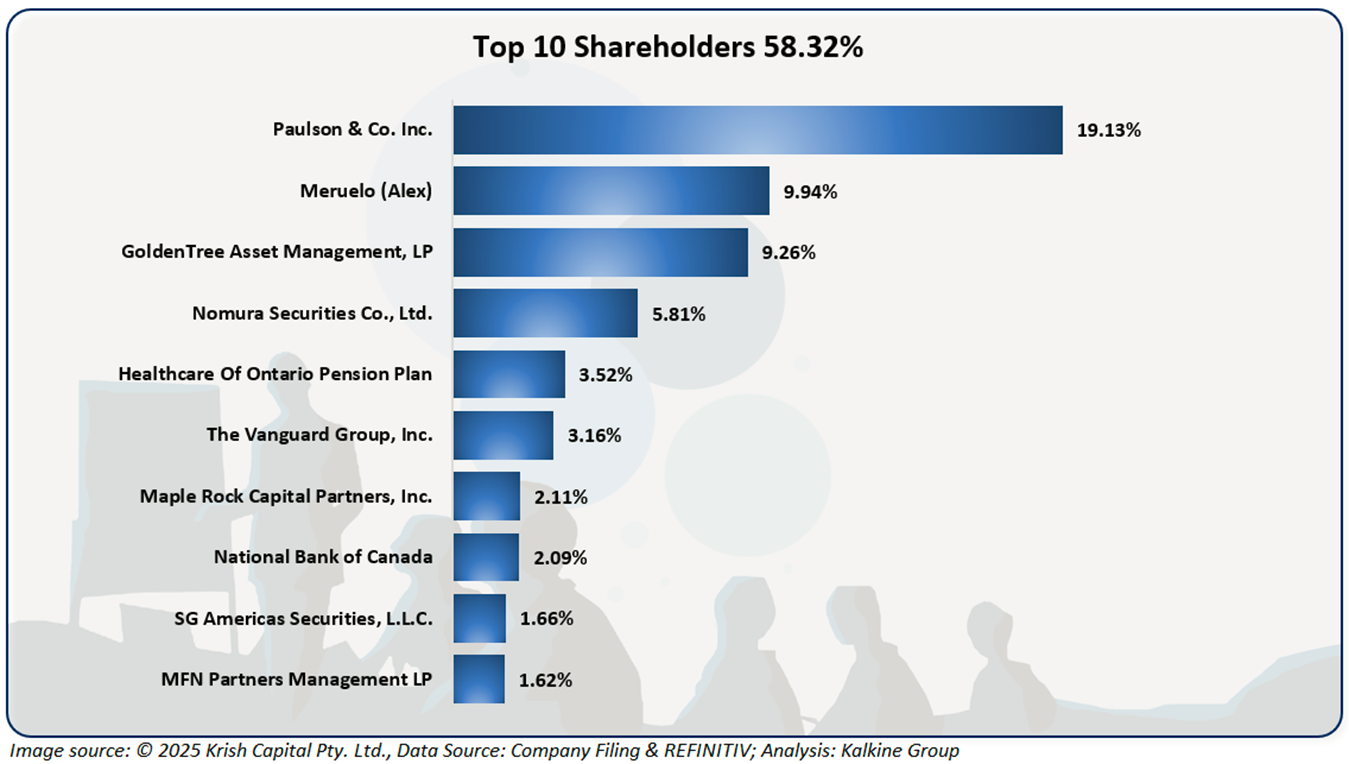
The top 10 shareholders together form ~58.32% of the total shareholding. Paulson & Co. Inc. and Meruelo (Alex) hold a maximum stake in the company at ~19.13% and ~9.94%, respectively.

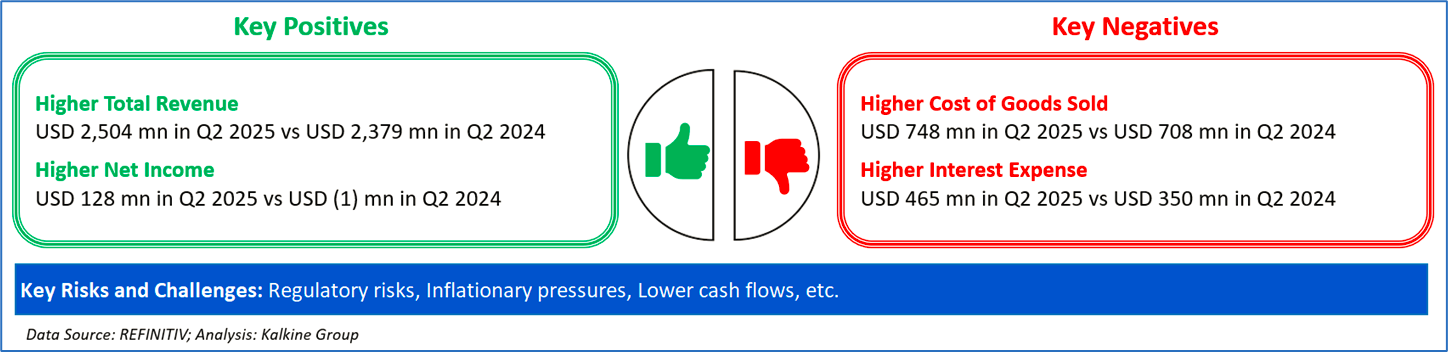
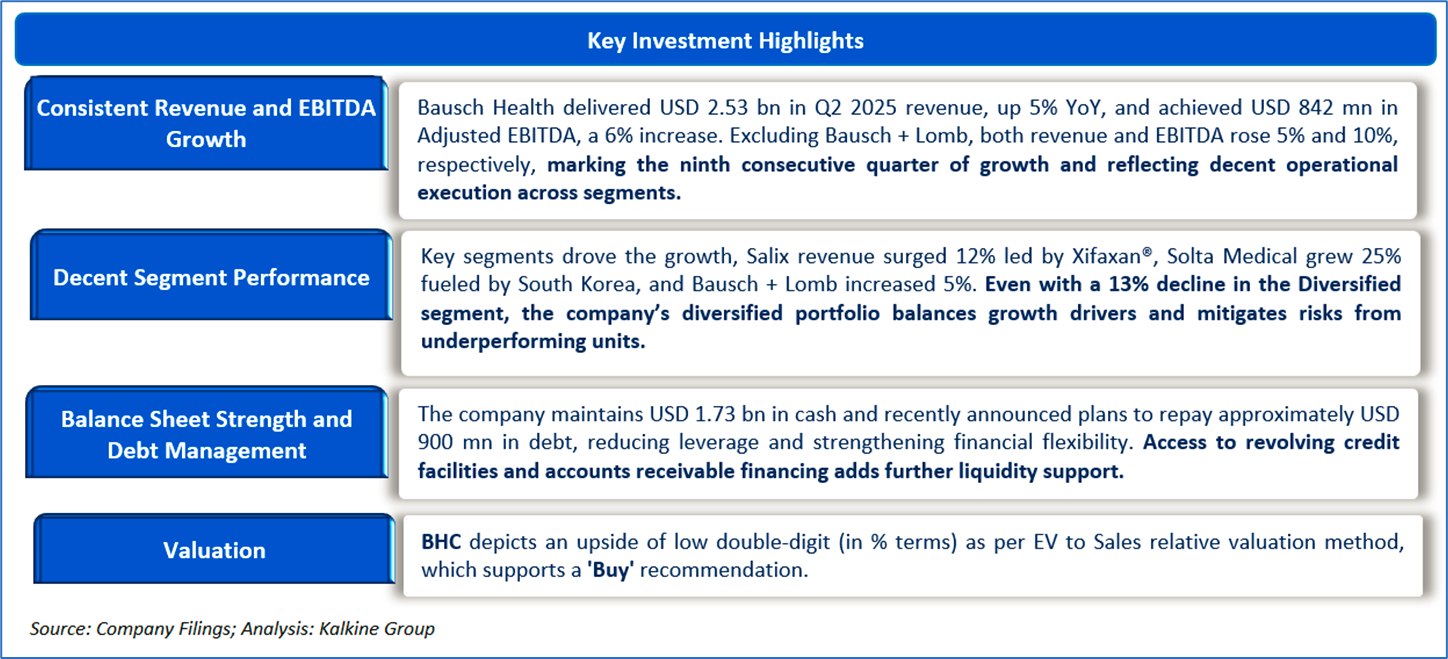
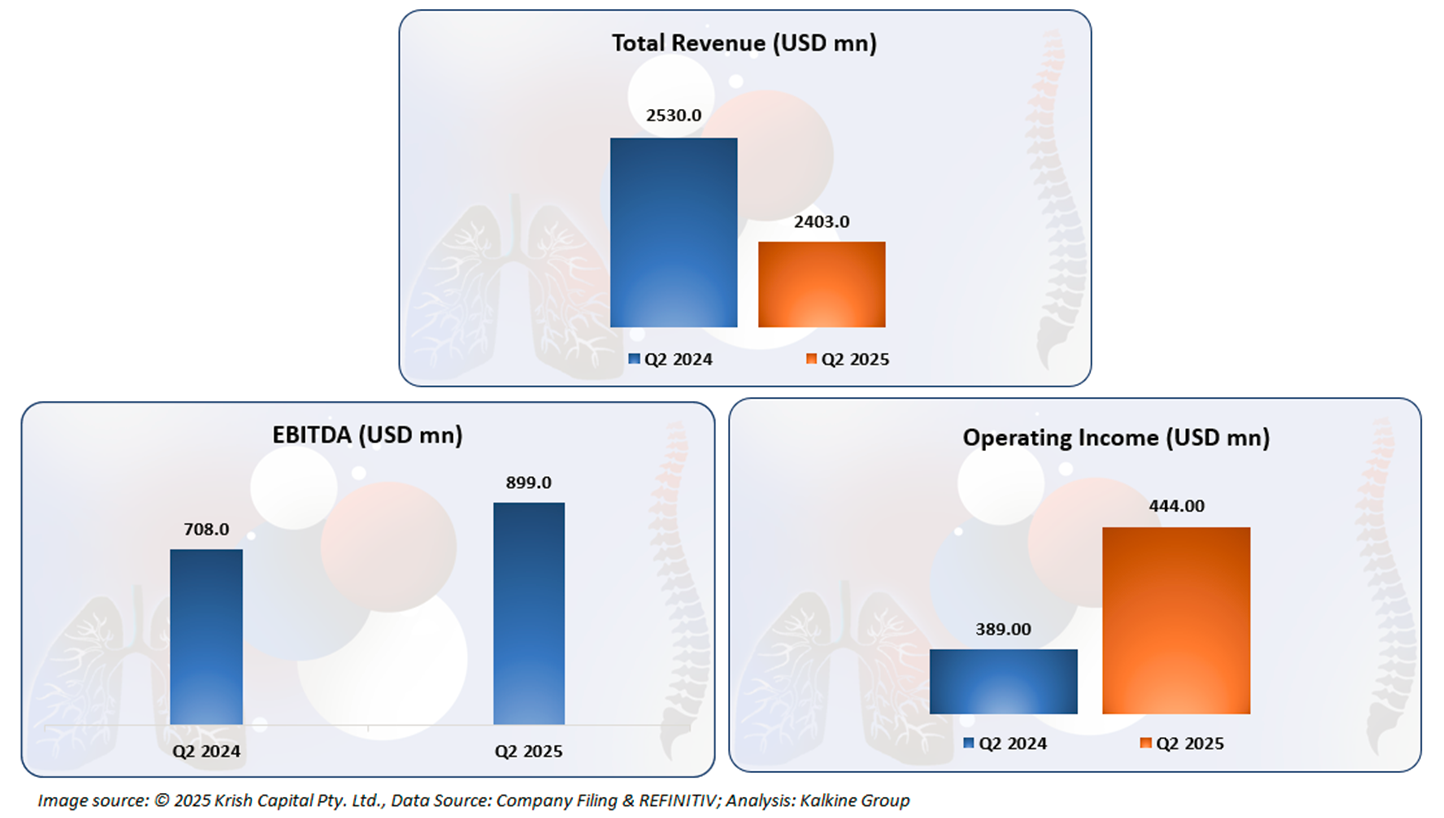
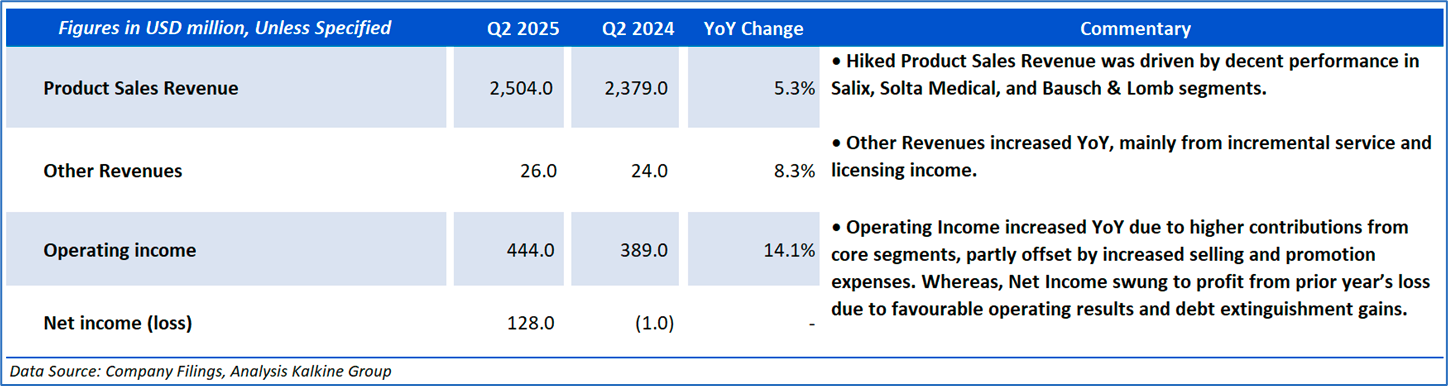
The company reported rising financials in Q2 2025, where it clocked healthy growth under its Total Revenue, which is a key positive. Furthermore, it witnessed elevated EBITDA and Operating Income, displaying its decent operating efficiency and improved profitability momentum.
Section 2: Business Updates and Financial Highlights

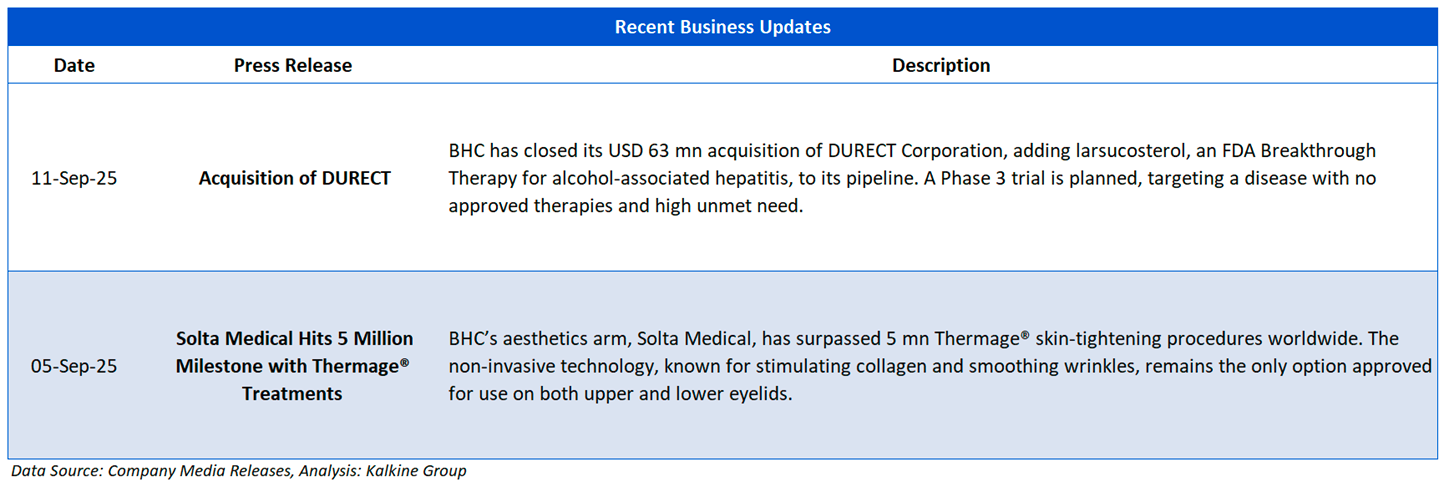
The picture below gives an overview of the company’s recent activities, such as an announcement regarding Acquisition of DURECT and Solta Medical Hits 5 Million Milestone with Thermage Treatments.

Section 3: Key Risks and Company Outlook
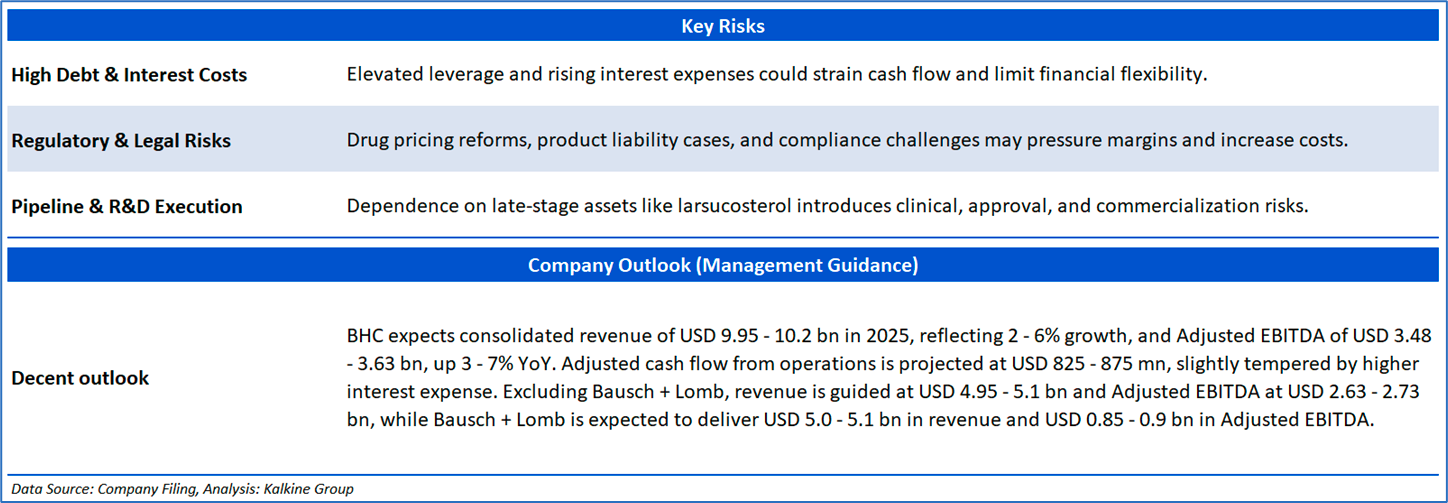
Section 4: Stock Recommendation Summary


The stock has witnessed a downside of ~7.65% and an upside of ~9.68% over the last 1 week and 3 months respectively. Moreover, it is trading below the average 52-week high price of CAD 13.74 and 52-week low price of CAD 5.91, providing an opportunity to accumulate the stock.
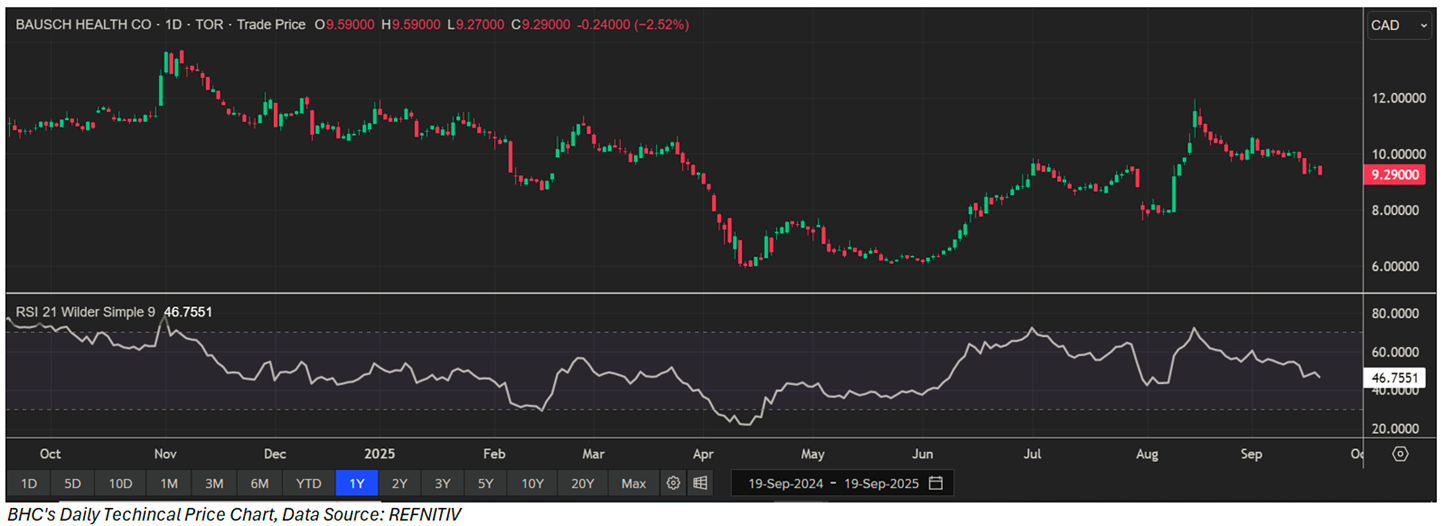
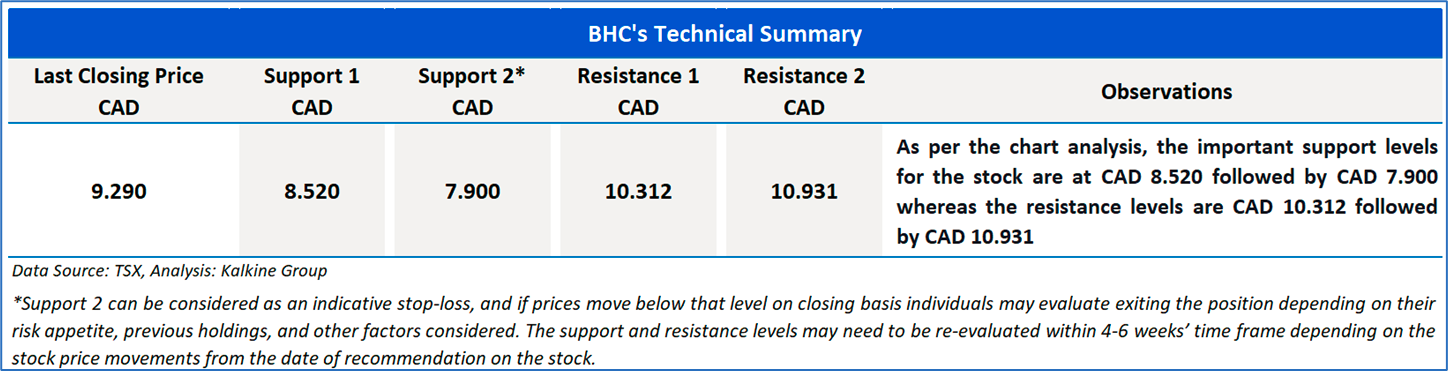

Valuation Methodology: EV to Sales Based Relative Valuation (Illustrative):
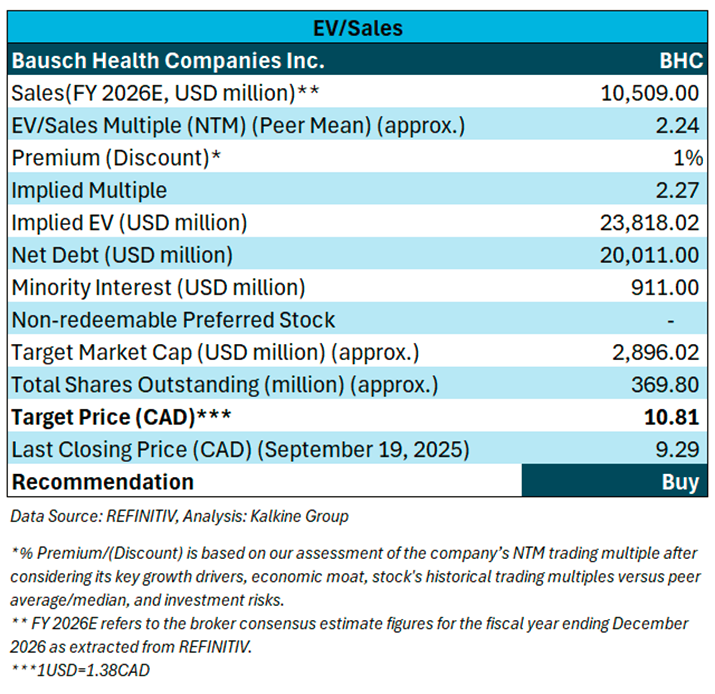
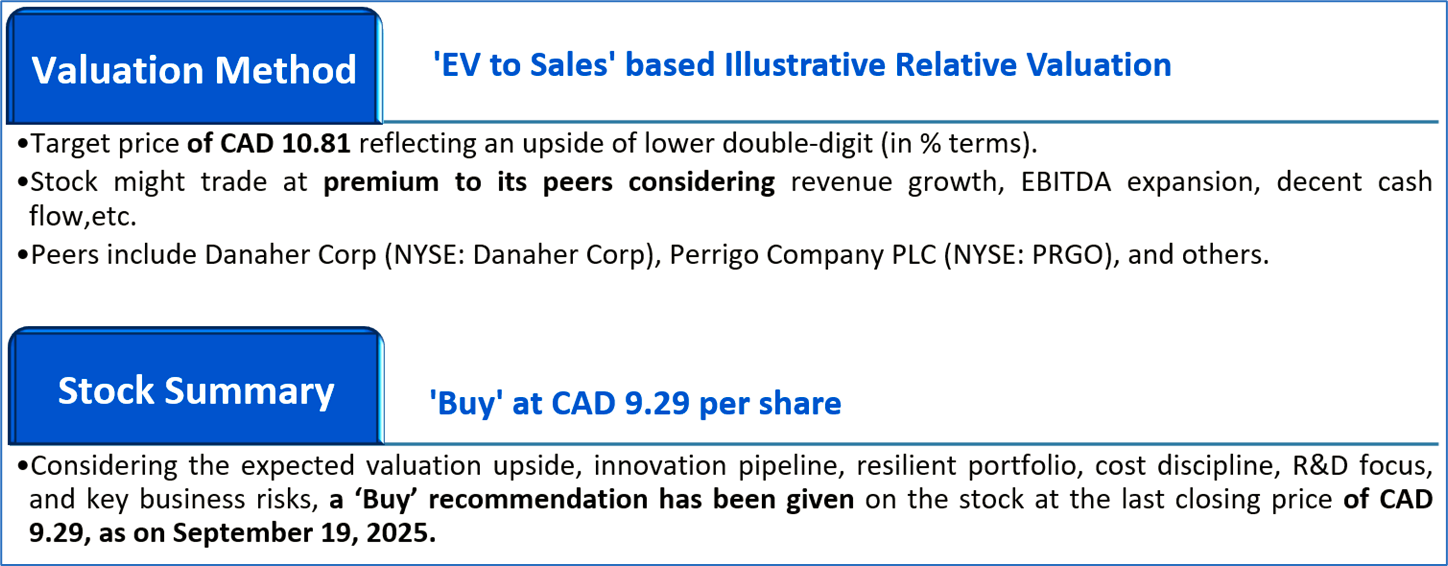
Markets are trading in a highly volatile zone currently due to certain macroeconomic issues and geopolitical tensions prevailing. Therefore, it is prudent to follow a cautious approach while investing.
Note 1: Past performance is not a reliable indicator of future performance.
Note 2: The reference date for all price data, currency, technical indicators, support, and resistance levels is September 19, 2025. The reference data in this report has been partly sourced from REFINITIV.
Note 3: Investment decisions should be made depending on an individual's appetite for upside potential, risks, holding duration, and any previous holdings. An 'Exit' from the stock can be considered if the Target Price mentioned as per the Valuation and or the technical levels provided has been achieved and is subject to the factors discussed above.
Note 4: Dividend Yield may vary as per the stock price movement.
Note 5: Kalkine reports are prepared based on the stock prices captured either from REFINITIV or Trading View. Typically, REFINITIV or Trading View may reflect stock prices with a delay which could be a lag of 25-30 minutes. There can be no assurance that future results or events will be consistent with the information provided in the report. The information is subject to change without any prior notice.
Technical Indicators Defined: -
Support: A level at which the stock prices tend to find support if they are falling, and a downtrend may take a pause backed by demand or buying interest. Support 1 refers to the nearby support level for the stock and if the price breaches the level, then Support 2 may act as the crucial support level for the stock.
Resistance: A level at which the stock prices tend to find resistance when they are rising, and an uptrend may take a pause due to profit booking or selling interest. Resistance 1 refers to the nearby resistance level for the stock and if the price surpasses the level, then Resistance 2 may act as the crucial resistance level for the stock.
Stop-loss: It is a level to protect further losses in case of unfavourable movement in the stock prices.
Disclaimer-
This report has been issued by Kalkine Limited (Company number 07903332), a private limited company, incorporated in England and Wales ("Kalkine”). Kalkine.co.uk and associated pages are published by Kalkine. Kalkine is authorised and regulated by the Financial Conduct Authority under reference number 579414.
The information in this report and on the Kalkine website has been prepared from a wide variety of sources, which Kalkine, to the best of its knowledge and belief, considers accurate. Kalkine has made every effort to ensure the reliability of information contained in its reports, newsletters and websites. All information represents our views at the date of publication and may change without notice. The information in this report does not constitute an offer to sell securities or other financial products or a solicitation of an offer to buy securities or other financial products. Our reports contain non personalized recommendations to invest in securities and other financial products.
Kalkine does not offer financial advice based upon your personal financial situation or goals, and we shall not be held liable for any investment or trading losses you may incur by using the opinions expressed in our reports, publications, market updates, news alerts and corporate profiles. Kalkine does not intend to exclude any liability which it is not permitted to exclude under applicable law or regulation. Kalkine’s non-personalised advice does not in any way endorse or recommend individuals, investment products or services for your personal financial situation. You should discuss your portfolios and the risk tolerance level appropriate for your personal financial situation, with a professional authorised financial planner and adviser. You should be aware that the value of any investment and the income from it can go down as well as up and you may not get back the amount invested.
Please also read our Terms & Conditions for further information. Employees and/or associates of Kalkine and its related entities may hold interests in the securities or other financial products covered in this report or on the Kalkine website. Any such employees and associates are required to comply with certain safeguards, procedures and disclosures as required by law.
Kalkine Media Limited, an affiliate of Kalkine, may have received, or be entitled to receive, financial consideration in connection with providing information about certain entity(s) covered on its website including entities covered in this report.
Past performance is not a reliable indicator of future performance.

 AU
AU
 CA
CA
 US
US
 NZ
NZ
 IND
IND

 UK
UK

 Please wait processing your request...